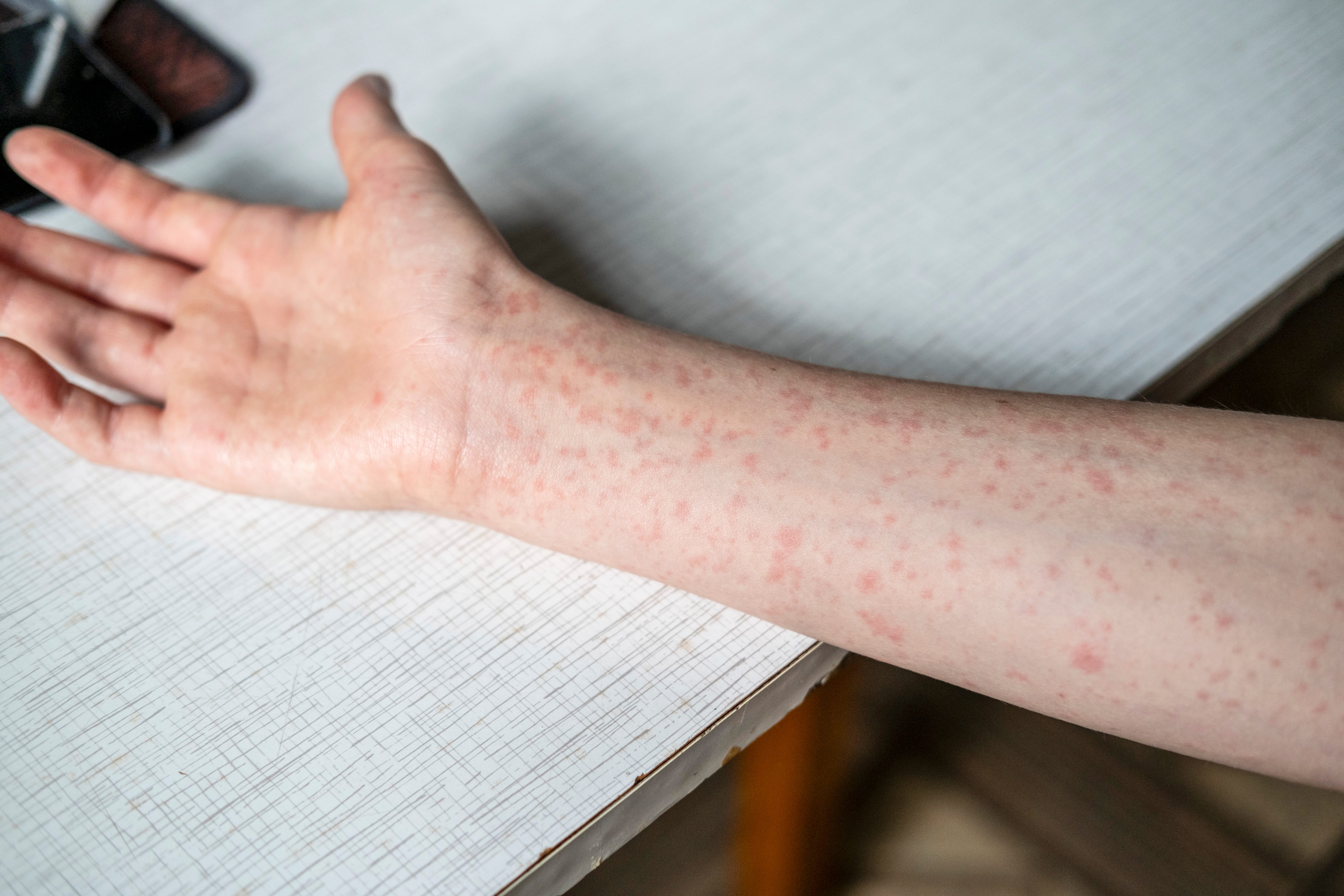
The U.S. lost its measles elimination status after an independent expert commission determined that endemic measles transmission has been reestablished in the country. PAHO director Jarbas Barbosa announced the decision Tuesday, stating the situation requires urgent attention. The U.S. held elimination status since 2000, expanding to all of the Americas in 2016.
Measles cases have risen sharply in recent years. As of 2026, the U.S. has recorded 5,412 officially reported cases, the highest count in over 30 years, with at least 10 deaths reported.
Elimination does not mean zero cases. According to Amesh A. Adalja, M.D., senior scholar at the Johns Hopkins Center for Health Security, elimination means the virus cannot sustain itself. Cases arrive with travelers but outbreaks burn out within a year because enough people are immune. Loss of elimination status occurs when a single chain of transmission continues for 12 months or more. Genetic sequencing of the virus distinguishes one continuous chain from unrelated importations. The U.S. now meets this standard, meaning measles is endemic again rather than merely imported.
William Schaffner, M.D., an infectious disease specialist at Vanderbilt University School of Medicine, expressed concern about global consequences. The U.S. previously demonstrated to other countries that measles could be eliminated. Now, other countries may reduce resources devoted to combating measles, potentially increasing cases worldwide.
Infants too young for their first MMR vaccine dose and people with weakened immune systems face the heaviest burden. About 1 in 5 unvaccinated people hospitalized with measles in the U.S., and 1 to 3 out of every 1,000 children who contract it die from it, per the CDC. One in 20 children develops pneumonia, the most common cause of measles-related death. One in 1,000 develops brain swelling that can lead to deafness or intellectual disability.
Regaining elimination status requires raising two-dose MMR coverage above 95% in every community. Thomas Russo, M.D., chief of infectious disease at the University at Buffalo, says kindergarten coverage has slipped to about 92%. Brazil lost and later recovered elimination status, requiring about five years, Dr. Adalja notes. The U.S. must first stop sustained transmission for 12 months before the recovery clock starts.