Runner's World tested hundreds of running shoes and selected nine stability models for different types of runners. The Brooks Adrenaline GTS 25 ranks as the "Best Overall" choice. The 25 added 3 mm to the forefoot and 1 mm to the heel, bringing stack heights to 37 mm and 27 mm respectively, and reduced heel-to-toe offset from 12 mm to 10 mm. Tester Cat Bowen, who pronates especially during long training blocks, noted the new heel bevel is the smoothest the Adrenaline has ever had and praised how it balances cushion with support without pinching the foot during long runs. The shoe weighs 10.6 ounces.
The Brooks Adrenaline GTS 26 is a refinement rather than a rebuild. It uses the same guide rail support system, stack height, drop, and DNA Loft v3 foam as the 25. Changes include an engineered mesh upper for more breathability, a flatter tongue for a tuned fit, and a more refined heel collar with a generous pull-tab for accessibility. The tradeoff is a slight weight increase of a few tenths of an ounce.
Mizuno Wave Rider shoes offer durability and value. Tester Lauren Woodall said the shoes are lighter than previous models and durable enough to put more miles on them before replacement. They are not racing shoes but reliable easy-run trainers with a wave plate and Enerzy NXT foam that engage when tired legs need support.
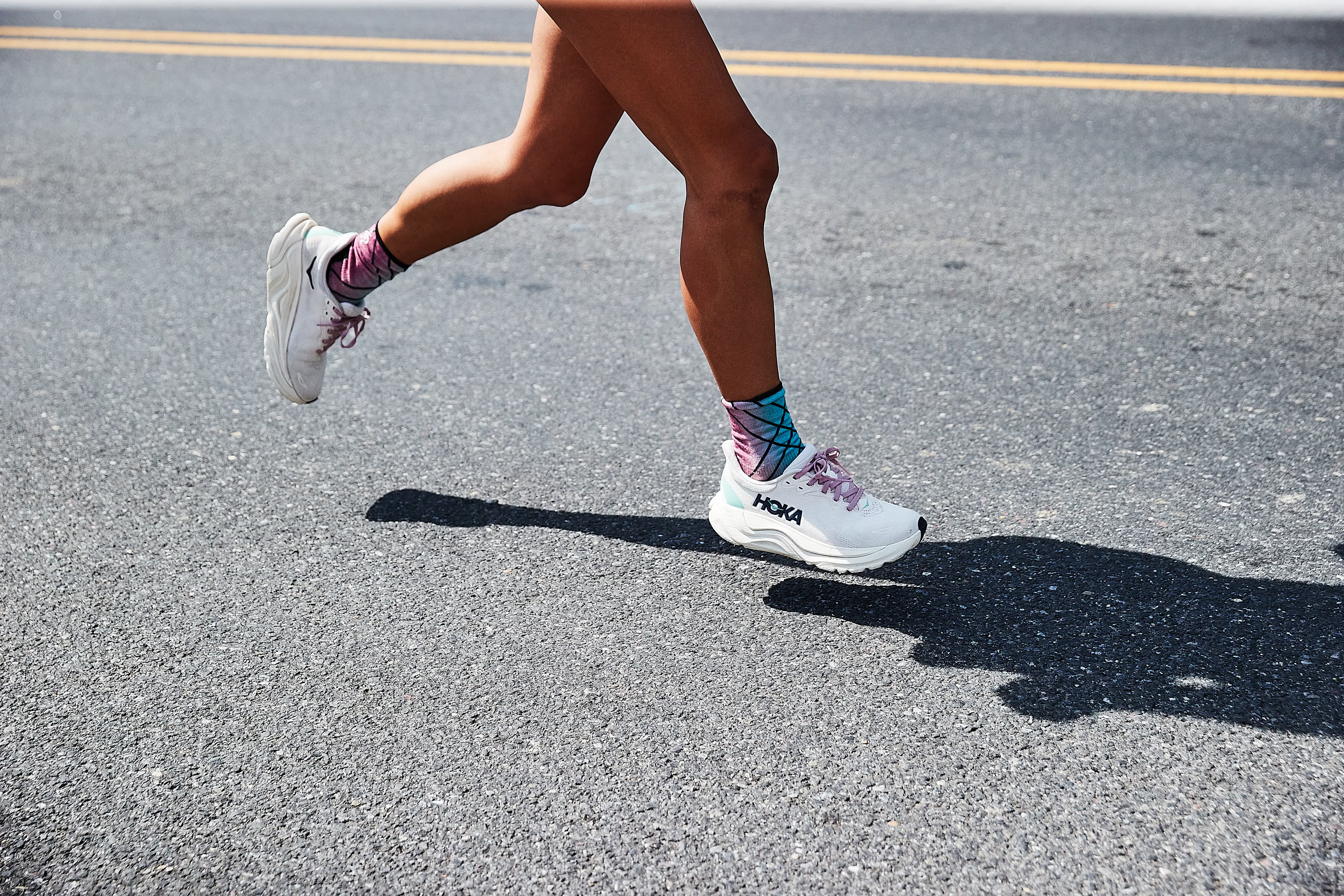
The Hoka Arahi 9 is streamlined and sleek. Hoka refined the upper for better fit and breathability, addressing hot points from the 8. An H-shaped foam piece called the H-Frame in the midsole provides stability while keeping the shoe lightweight and smooth-riding. Tester Amanda Furrer felt she was gliding in the shoe.
The Nike Structure Plus performs well on long runs with mixed tempos and varied terrain.