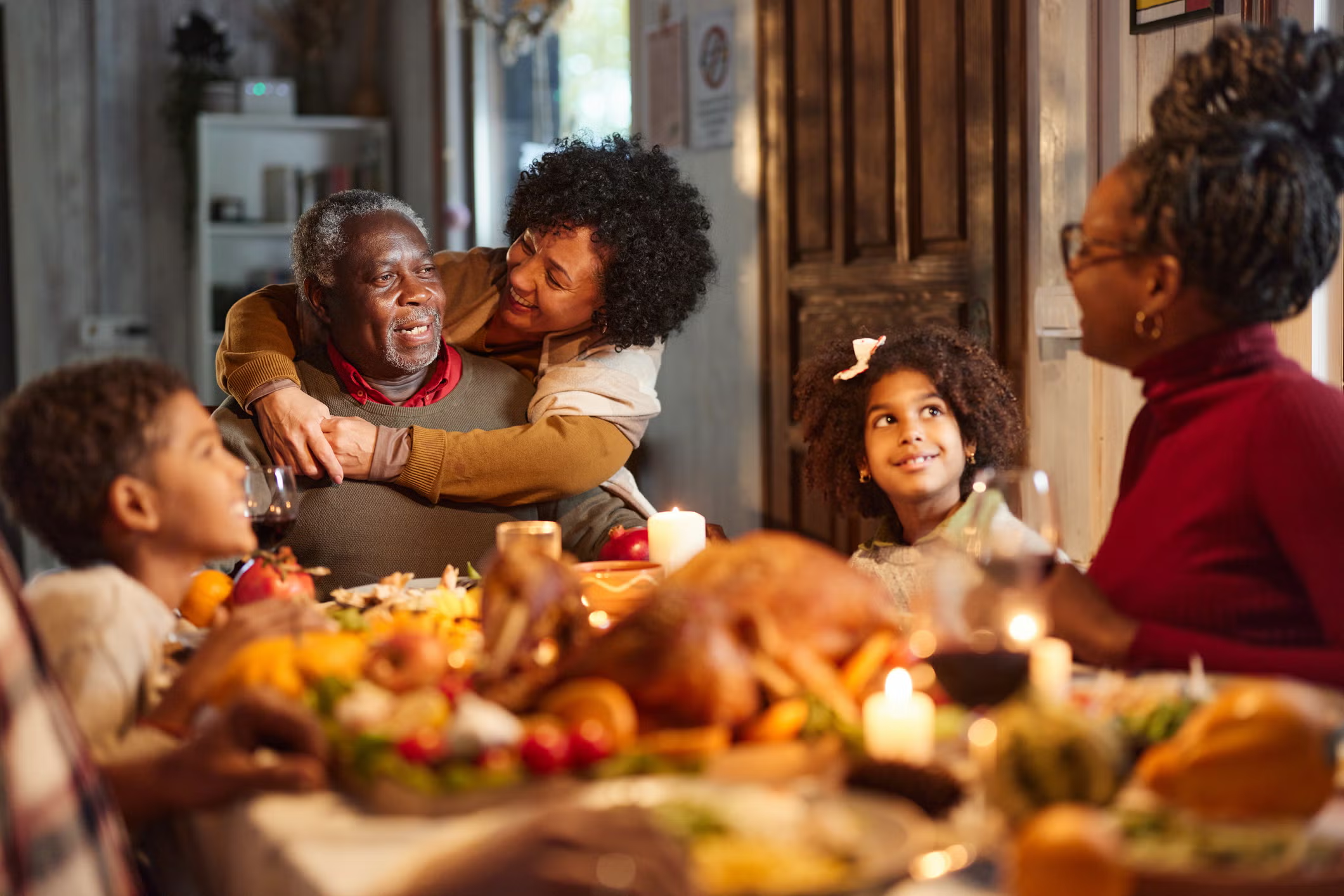
Suma Gondi, M.D., assistant professor in the division of endocrinology, diabetes, and bone disease at Mount Sinai, says holidays centered on eating and drinking present challenges for people taking GLP-1 medications like Ozempic and Mounjaro. Meals and desserts affect the body differently while on these drugs, from appetite to how overeating feels afterward.
For those traveling with injectable GLP-1 medications, keep the medication refrigerated and in carry-on luggage in original packaging. Dr. Gondi recommends bringing a copy of your prescription or doctor's note when flying. Do not skip scheduled doses. Schedule refills ahead of time and consider bringing an extra dose in case of loss.
Travel increases dehydration and constipation risk, and GLP-1s compound this. Dr. Gondi advises drinking plenty of water, minimizing alcohol and caffeine, and meeting daily fiber goals from vegetables and whole grains.
Experts generally caution against skipping doses. Robyn Liu, M.D., M.P.H., family physician in Portland, Oregon, notes it's easier to work with GLP-1 effects rather than avoid them. Missing a dose may worsen side effects when you restart, and a single missed dose offers no guarantee of appetite change.
The main holiday risk for GLP-1 users is undereating, particularly of protein, fiber, and fluids. Dr. Gondi recommends prioritizing protein, nutrient-dense whole foods, and small, regular meals. Avoid fasting before big meals, as it can lead to overeating and discomfort.
David Cummings, M.D., professor of medicine at the University of Washington School of Medicine, explains that GLP-1s slow gastrointestinal motility, causing food to back up. In the stomach, this feels like nausea; in the lower tract, it feels like constipation. Fatty, greasy, or spicy foods can worsen these effects. Dr. Gondi emphasizes moderation: nothing is entirely off-limits.
If you overeat and experience vomiting, inability to keep fluids down, or severe abdominal pain, call your provider, Dr. Liu says. These symptoms could indicate gallbladder or pancreas problems.
Alcohol may feel stronger on GLP-1s, and it worsens GI symptoms and dehydration. Dr. Gondi recommends avoiding sugary or high-carb drinks. If new to GLP-1s, monitor how your body reacts to alcohol. Dr. Cummings notes GLP-1s may also reduce desire for alcohol.