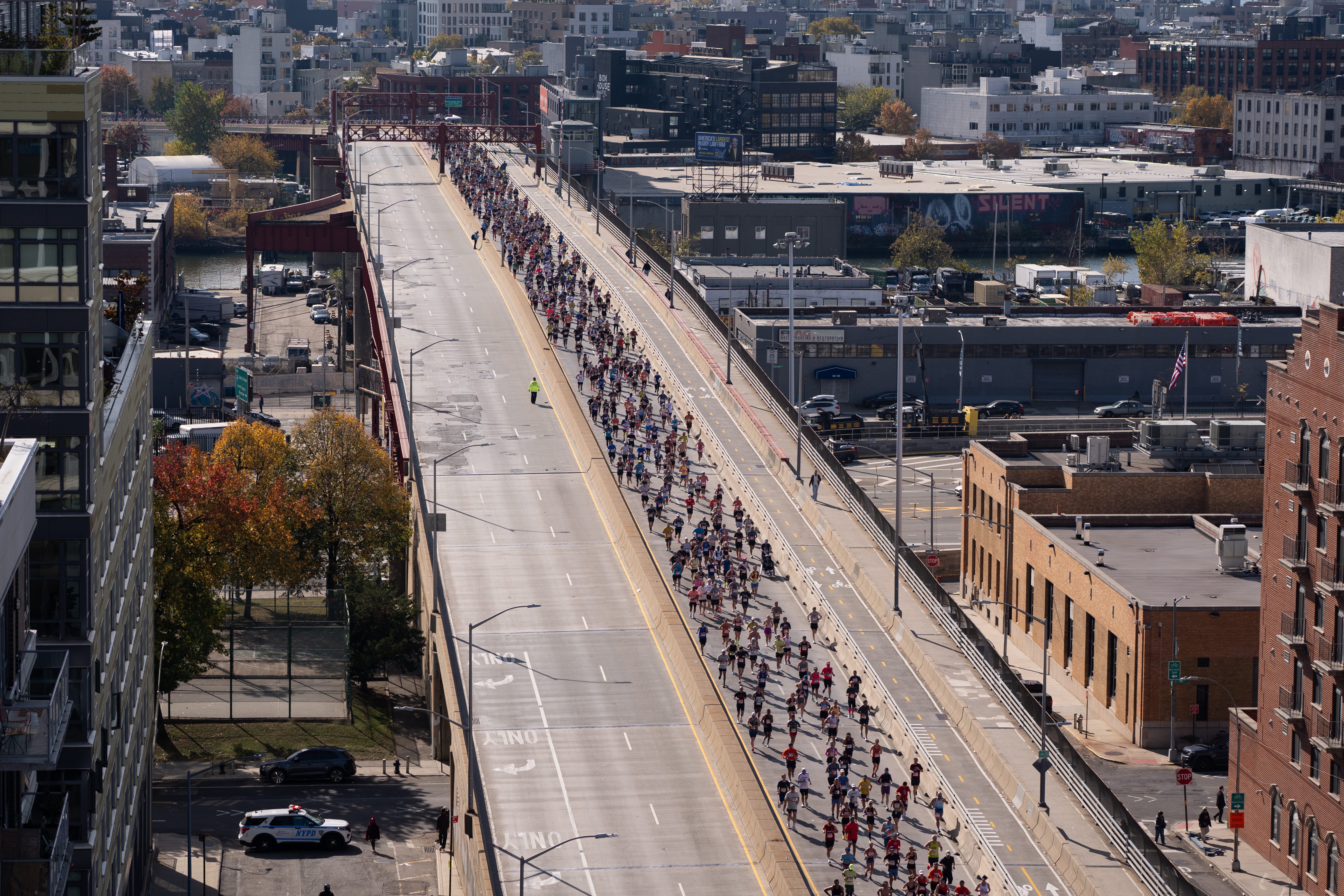
A 24-year-old runner, Rachel Apa, collapsed during the New York City Marathon and died in the hospital. Her father told the New York Times that rhabdomyolysis, known as rhabdo, caused her death.
Rhabdo is a breakdown of muscle tissue. Approximately 26,000 cases occur annually in the United States, with a mortality rate starting at 10 percent but potentially reaching 50 percent in severe cases. Derek M. Fine, MD, a nephrologist at Johns Hopkins Medicine, notes that most marathon runners show elevated creatine kinase levels after a race, a blood marker of muscle breakdown. The Centers for Disease Control and Prevention states that multiple CK tests are needed to diagnose rhabdo, which occurs when creatine kinase reaches five times the upper limit of normal.
Muscle breakdown during marathons happens because muscles use up their energy supply. Fine explains that mitochondria cannot produce enough ATP (adenosine triphosphate), the primary energy source, when muscles work intensely. The condition becomes dangerous when muscle tissue releases harmful substances into the bloodstream, including myoglobin, a protein that can damage the kidneys, and excessive potassium. High potassium levels can cause cardiac arrhythmias and potentially cardiac arrest. Fine says severe rhabdo can release so much potassium that the body cannot eliminate it quickly enough.
Risk factors include inadequate training before race day, dehydration, insufficient carbohydrate intake, and hot weather. A 2022 study in Nephron Clinical Practice documented 24 cases of exertional rhabdomyolysis at the NYC Marathon, likely linked to unseasonably high heat and humidity. Younger runners may face higher risk because they tend to push harder and ignore warning signs, Fine says. Genetic predisposition, previous rhabdo cases, certain medications like statins and some antidepressants, and underlying conditions such as McArdle disease increase susceptibility.
Warning signs include severe muscle pain in working muscles, muscle weakness, swelling, and dark urine. Lili Barouch, MD, director of sports cardiology at Johns Hopkins Medicine, notes that muscle soreness much more severe than expected warrants attention. Fine recommends drinking to thirst and taking electrolytes during long or hot races. He cautions against overhydration, which can cause hyponatremia, a dangerous drop in blood sodium.