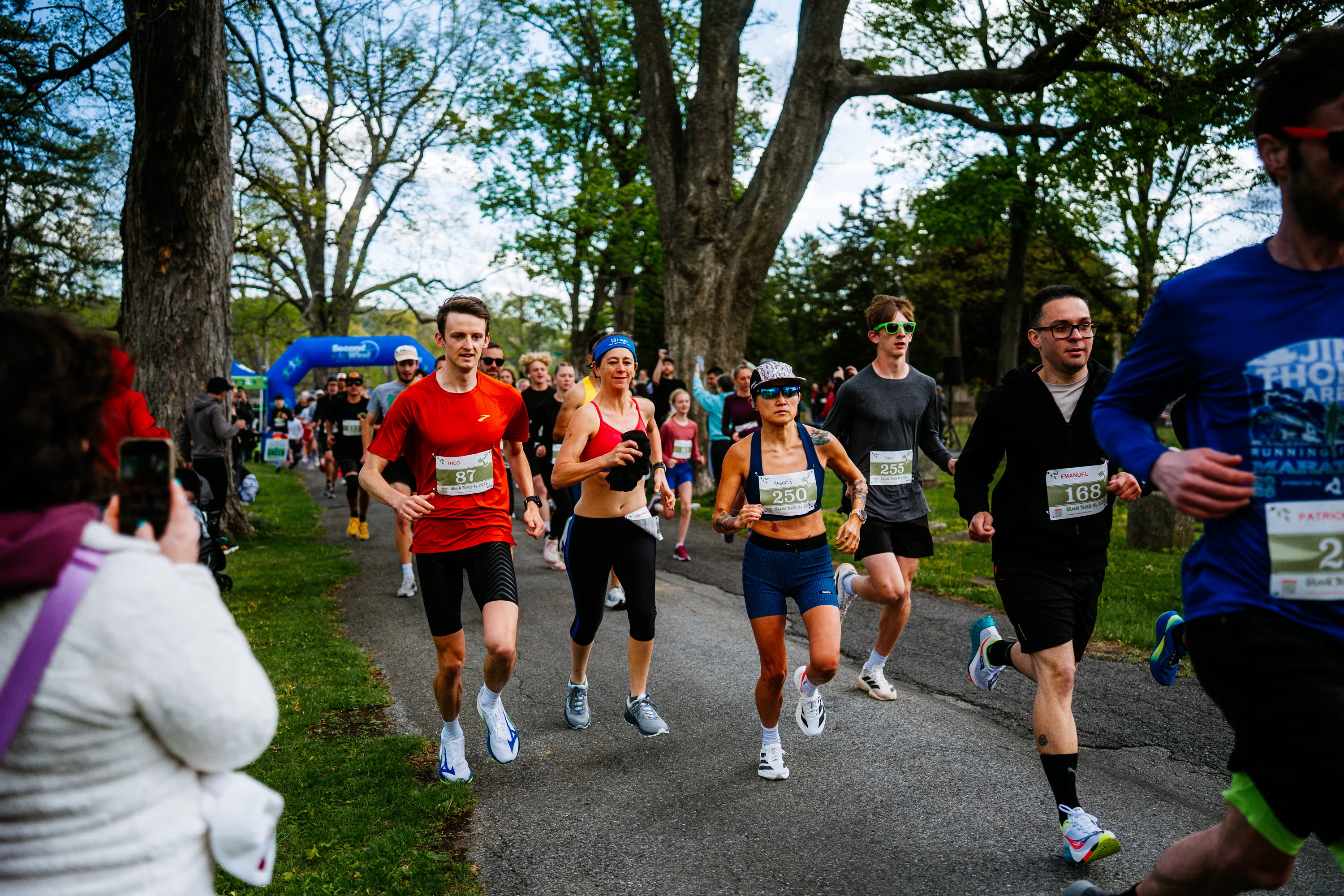
Runners preparing for 5K races often make training errors that can hurt performance or cause injury, according to run coaches.
Sam Renikoff, a USATF- and RRCA-certified run coach, explains that squeezing multiple speed workouts into a few weeks before race day leaves runners tired or flat at the start line. Instead, runners should taper for one to 10 days before a 5K, keeping intensity high with speedwork but reducing volume. Debbie Woodruff, a USATF- and RRCA-certified run coach and certified personal trainer, notes that runners who increase mileage too quickly face higher injury risk. Research published in the British Journal of Sports Medicine supports this finding. Woodruff recommends beginners follow a couch-to-5K plan or run/walk training program, while seasoned runners should use an eight-week plan that builds mileage, adds speedwork, and includes a prerace taper.
Long runs remain important for 5K training, Renikoff says, because they build aerobic capacity and endurance, allowing runners to hold pace throughout 3.1 miles. Long runs typically range from 4.5 miles for beginners to 12 miles for advanced runners with time-based goals.
Maya Ellison, a certified personal trainer and RRCA-certified run coach who owns P.A.C.E.D. Coaching Services, cautions that experienced runners often run easy days too fast. These recovery days help your body recover from hard efforts and grow stronger. You should feel relaxed enough to hold a conversation. If you cannot recite the alphabet to letter G without stopping for breath, you need to slow down.
Renikoff warns against starting races too fast. He recommends progression runs: begin the first mile at moderate pace, then increase speed by about 10 seconds per mile or half mile, finishing faster than you started.
Runners aiming for fast times must complete one to two days per week of speed training. Woodruff suggests track intervals like 200- to 400-meter repeats at 95-percent effort for experienced runners, or fartlek workouts for beginners, which alternate one to two minutes at hard effort with one to two minutes at easy effort.
Ellison notes that runners sometimes set goals that are too ambitious. Instead of dropping five minutes, aim for 30 seconds to one minute, which requires a 10- to 20-second pace difference per mile.
Proper warmups and cooldowns matter for every workout and race day. Woodruff recommends warmups that include dynamic stretching, drills like high knees and butt kicks, and a five-minute jog. Cooldowns should include one to two miles of easy jogging and static stretching.