# Tonal Review (2025): Smart Home Gym Puts Cable Resistance and AI Coaching in Your Living Room
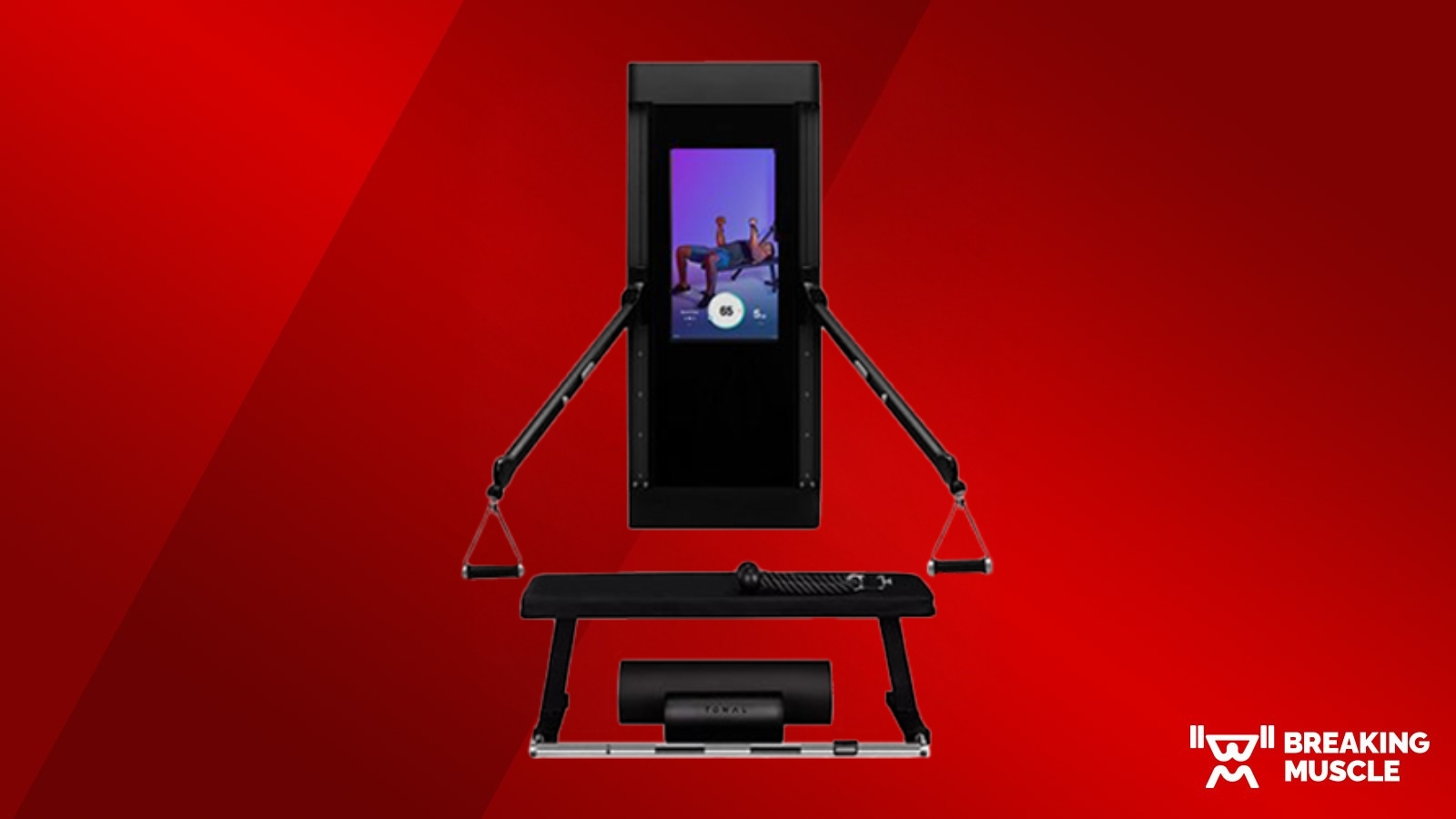
Tonal positions itself as a complete strength training solution for home gyms. The system combines cable resistance technology with a large touchscreen interface and AI-powered coaching. Breaking Muscle's experts tested the machine to evaluate whether it delivers on its promise of making serious strength training accessible without needing multiple pieces of equipment.
The core hardware uses a cable resistance system rather than free weights or traditional plate-loaded machines. This design eliminates the need for dumbbells, barbells, and other standalone equipment. Multiple attachments connect to the cables, allowing users to perform exercises across different movement patterns and muscle groups. The touchscreen serves as both a workout display and control center for resistance adjustments.
Tonal offers two primary workout approaches. Users can follow instructor-led sessions guided by coaches on screen, or they can use the library of exercise demonstrations to create independent workouts. The AI component tracks performance metrics and adjusts programming based on individual progress. This feedback mechanism helps users understand whether they're progressing over time and where to adjust intensity.
The cable resistance system delivers consistent tension throughout movements, which differs from free weight training where resistance changes based on leverage and angles. Some strength athletes prefer this consistency for particular exercises. The machine tracks rep ranges, weight used, and estimated one-rep max calculations. These metrics provide data for programming decisions.
Space efficiency matters for home gym decisions. Tonal mounts to a wall, occupying far less floor space than racks, benches, and separate equipment would require. This makes it practical for apartments and smaller homes where traditional garage gyms aren't feasible. The touchscreen connects to Tonal's app ecosystem and tracks workouts across sessions.
The price point for Tonal places it in the premium home gym category alongside other connected fitness devices. Budget-conscious strength trainers might achieve similar results with adjustable dumbbells and a power rack at lower cost. However, the programming structure and real-time coaching differentiate Tonal from basic equipment.
For specific training outcomes, context matters. Athletes training for sport-specific power, Olympic lifting technique, or maximal strength with barbells may find free weights more appropriate. Rehabilitation patients, general fitness seekers, and those prioritizing convenience within space constraints find cable machines effective. Tonal's AI coaching suits people who want guided progression without hiring a personal trainer.
The testing process evaluated whether Tonal actually works for strength development. Cable resistance systems have decades of research supporting their effectiveness for muscle growth and strength gains. The question centers on whether Tonal's specific implementation, coaching quality, and programming deliver results comparable to traditional training or exceed them through better adherence and tracking.
Real-world data from users shows compliance patterns with connected fitness equipment. People who commit to in-home gyms often maintain consistency better than gym members because friction decreases. Starting a workout means walking into the next room rather than driving to a facility. Whether this behavioral advantage outweighs any technical limitations of cable systems versus free weights shapes the value proposition.
Breaking Muscle's expert review evaluates the practical experience of using Tonal. Build quality, screen responsiveness, attachment durability, and programming variety all factor into long-term satisfaction. The review measures whether the machine works as advertised for the specific audience most likely to benefit from this tool.