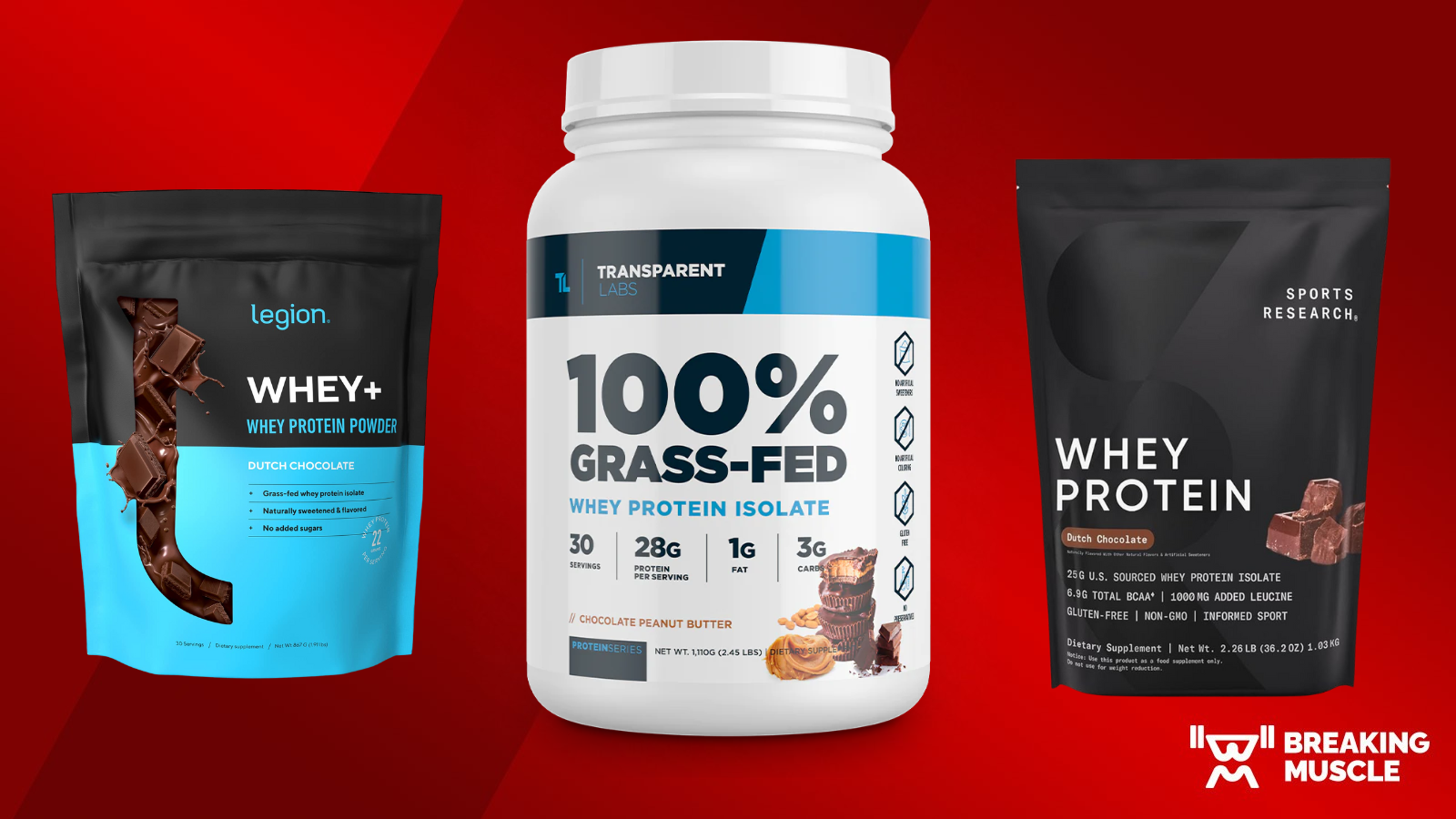
Whey protein powder remains one of the most evidence-backed supplements for muscle building and recovery, and selecting the right product matters more than most lifters realize. A certified sports nutrition coach recently evaluated leading options for 2025, highlighting what actually separates quality whey powders from the rest of the market.
Whey's effectiveness stems from its amino acid profile. It delivers all nine essential amino acids your body cannot manufacture on its own, making it a complete protein source. More specifically, whey concentrates branched-chain amino acids (BCAAs), particularly leucine, which research confirms triggers muscle protein synthesis. This process is the mechanism by which muscles grow and repair after training stress. That's why whey appears in nearly every serious athlete's supplement cabinet.
The timing of whey intake matters too. Post-workout ingestion accelerates amino acid delivery to damaged muscle tissue when the body is primed to absorb nutrients. Studies show consuming 20-40 grams of whey protein within two hours after resistance training enhances adaptation. However, total daily protein intake matters more than timing alone. Athletes should target 1.6-2.2 grams per kilogram of bodyweight daily, regardless of supplement timing.
Quality varies dramatically across brands. Manufacturing processes determine whether you're buying whey protein concentrate (70-80% protein by weight) or whey protein isolate (90%+ protein). Isolates contain less lactose and fat, benefiting athletes with digestive sensitivity. Hydrolysates break protein chains further, increasing absorption speed. Cost increases with processing, so isolates cost more than concentrates. The choice depends on your budget, digestion, and training goals.
Third-party testing matters considerably. NSF Certified for Sport and Informed Choice certifications verify that products contain what labels claim and lack banned substances. This protects athletes competing under anti-doping rules. Brands that invest in third-party testing build consumer trust through transparency.
Taste and mixability influence compliance. A protein powder that mixes poorly or tastes unpleasant sits unused. Lecithin improves mixability. Natural sweeteners like stevia or monk fruit create better taste than artificial alternatives for many users, though personal preference varies significantly.
Common concerns deserve addressing. Whey won't transform you without training and nutrition. It's a tool that fills dietary gaps when whole food protein proves inconvenient. The American College of Sports Medicine confirms that supplementation cannot replace consistent training and adequate total calorie and protein intake.
Price per serving drives purchasing decisions for many athletes. Concentrate powders typically cost 10-20 cents per gram of protein. Isolates run 15-30 cents per gram. Comparing cost per serving across brands prevents overpaying for similar products.
Digestive health matters too. Lactose intolerance affects about 65% of adults. Those sensitive to dairy should choose whey isolate or isolate hydrolysates, which remove most lactose. Plant-based alternatives like pea or hemp protein work for vegans, though they lack leucine concentration and complete amino acid profiles.
The 2025 market shows brands increasingly prioritizing ingredient transparency and sustainable sourcing. Consumers now expect clean labels with minimal additives. Quality whey powder provides a simple, effective protein source that supports training adaptation when combined with smart programming and whole food nutrition.