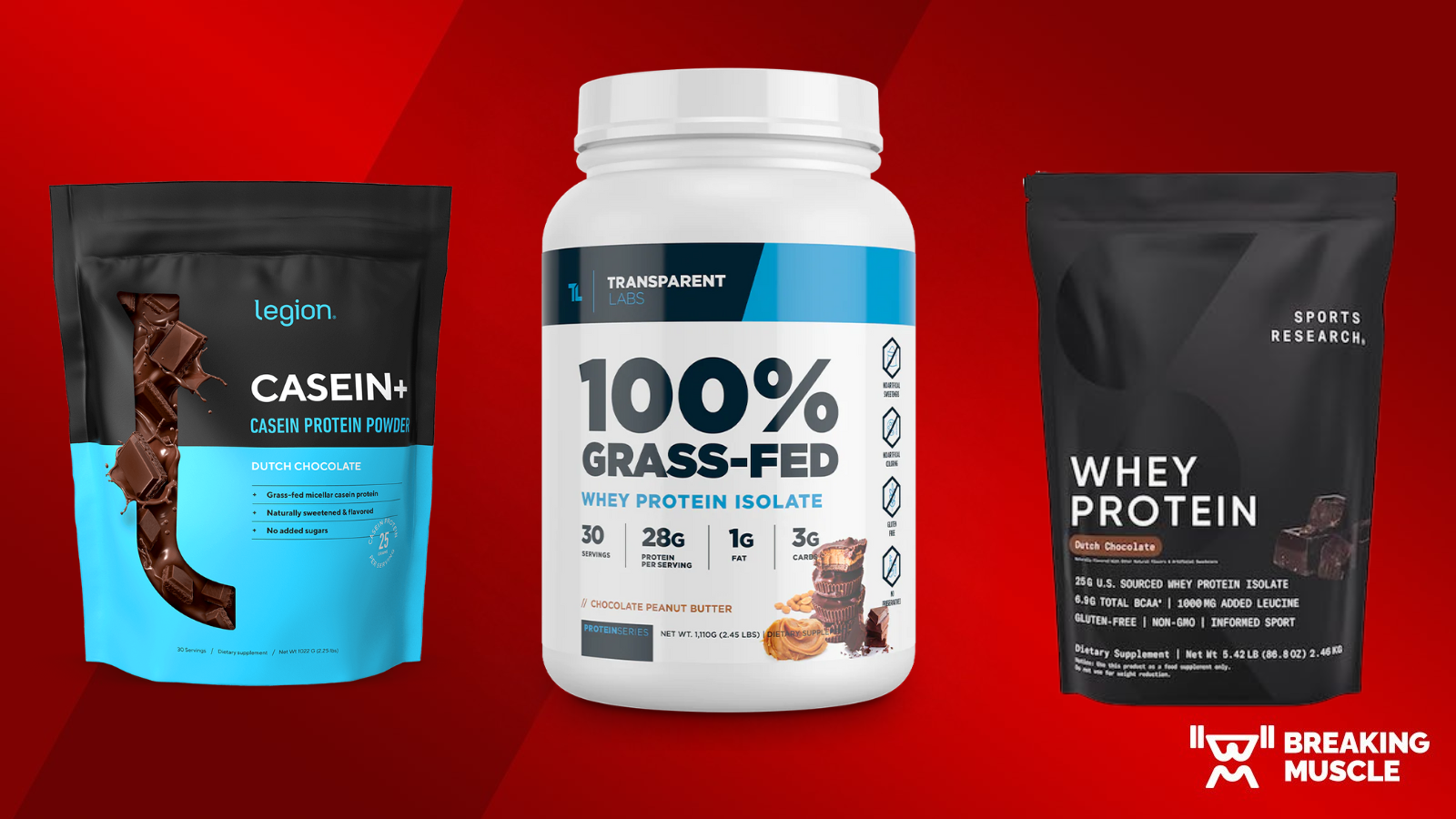
# The Best Protein Powders for Weight Loss, According to a Certified Nutrition Coach
Weight loss means fat loss, not just scale weight. Many people chasing the number on the scale lose muscle tissue alongside fat, which slows metabolism and undermines long-term results. A certified nutrition coach explains the science and practical strategy behind protein powder selection for preserving muscle during a calorie deficit.
The metabolic reality is straightforward. When you eat fewer calories than you burn, your body needs energy. Without adequate protein and resistance training stimulus, muscle becomes a target for catabolism. Your body breaks down amino acids for fuel. Protein intake directly counters this process by providing raw materials for muscle protein synthesis and triggering the anabolic signaling that keeps lean tissue intact.
Research consistently shows that high-protein diets preserve muscle mass during weight loss better than low-protein approaches. A meta-analysis published in the American Journal of Clinical Nutrition found that protein intake above the standard recommended dietary allowance (RDA) of 0.8 grams per kilogram of body weight protects lean mass in calorie-restricted conditions. For someone actively training, intake often reaches 1.6 to 2.2 grams per kilogram to maximize preservation and performance.
Protein powder solves a practical problem. Whole food sources like chicken, fish, and eggs contain calories from fat and carbohydrates alongside protein. Powder isolates protein with minimal added calories, making it easier to hit daily targets without exceeding calorie goals. A typical whey isolate serving delivers 20-25 grams of protein in 90-110 calories, compared to a chicken breast at 165 calories for similar protein content.
The three pillars for effective fat loss remain unchanged: calorie deficit, resistance training, and adequate protein. Without resistance training, a high-protein diet loses its protective effect on muscle. The mechanical tension from lifting combined with protein availability triggers muscle protein synthesis. Without quality sleep, cortisol rises and muscle breakdown accelerates regardless of nutrition. Sleep deprivation impairs hormonal regulation of appetite and energy utilization.
Protein powder selection matters less than total daily protein intake and consistency. Plant-based options like pea and hemp protein work if someone avoids animal products. Whey protein absorbs quickly and contains all nine essential amino acids in optimal ratios. Casein digests slowly, useful for sustained amino acid delivery between meals or before bed. The "best" powder is the one someone will drink consistently, tastes tolerable, and fits their budget and dietary preferences.
Timing carries minimal importance compared to total daily intake. Protein distribution across four to five meals optimizes muscle protein synthesis better than consuming large amounts in one sitting. A 2016 study in the Journal of the International Society of Sports Nutrition found that spreading 100 grams across five meals triggered greater muscle growth than consuming it all at once.
The breakdown of a weight loss plan works like this: establish a calorie deficit of 300 to 500 calories below maintenance. Consume 1.6 grams of protein per kilogram of body weight daily through whole foods and powder. Perform resistance training three to four times weekly, hitting each muscle group twice. Prioritize seven to nine hours of sleep nightly. Track progress through body measurements and performance metrics, not just scale weight.
Protein powder acts as a tool, not a magic solution. It solves the convenience problem of hitting protein targets while maintaining a calorie deficit. Combined with training and sleep, it protects the muscle mass that keeps metabolism elevated post-weight loss.