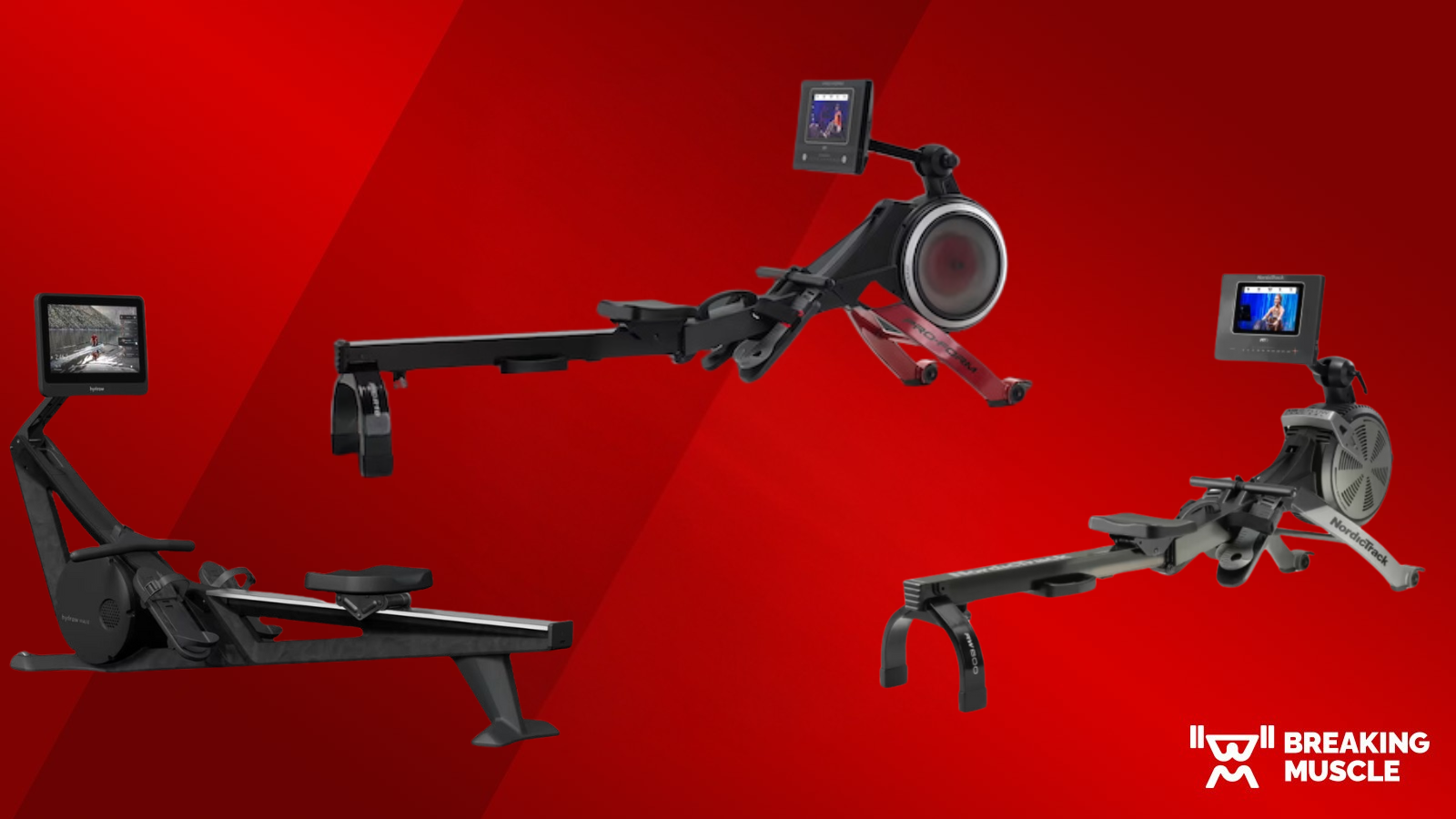
Rowing machines deliver full-body cardio and strength work in a single piece of equipment, but their length often makes them impractical for apartments, home gyms, or shared living spaces. Compact rowing machines solve this problem without sacrificing the performance features that make traditional models valuable.
Standard rowing machines typically measure 80-90 inches long. Compact versions fold or collapse to half that footprint, storing upright in closets or under beds. Despite their reduced dimensions, modern compact rowers retain the resistance systems, performance tracking, and biomechanical design that make rowing effective.
Rowing engages approximately 85 percent of your body's muscles per stroke. Each pull works the legs, back, core, and arms in a coordinated movement pattern. Unlike treadmills or stationary bikes that isolate specific muscle groups, rowing builds strength and endurance simultaneously. A 2020 study published in the Journal of Sports Science and Medicine found that rowing produced comparable cardiovascular adaptations to cycling while building upper and lower body strength gains that cycling alone did not achieve.
Compact rowers come in three resistance types. Air rowers, which use spinning fans, provide authentic rowing feel and natural resistance curves. Hydraulic models compress fluid cylinders for quiet, space-efficient operation but feel less like on-water rowing. Magnetic rowers offer silent operation with precise resistance settings, making them ideal for apartment dwellers and early morning sessions.
Tech features matter on compact models just as much as full-size machines. Built-in monitors track stroke rate, distance, time, calories burned, and watts produced. Bluetooth connectivity allows users to sync data with fitness apps like ErgRace or Concept2's online community, which supports structured training programs and virtual competitions. Heart rate monitors paired with rowers help users maintain proper aerobic zones during conditioning work.
The best compact rower for your space depends on training goals and available room. Someone training for a 5K run benefits from steady-state rowing at moderate intensity. An athlete building explosive power needs a rower that handles hard sprints without stuttering. A person recovering from injury requires smooth, forgiving mechanics to protect joints during rehabilitation.
Fold-up designs typically weigh 50-75 pounds and collapse to under 4 feet long. This makes them transportable and storable. Magnetic resistance models run quieter than air rowers, which produce audible fan noise that may disturb roommates or family members. Hydraulic rowers occupy the least floor space but sometimes feel mushy or unstable compared to air or magnetic systems.
Durability matters with compact machines. Lower-quality models cut corners on frame construction or rail tolerances, leading to wobbling during hard pulls. Premium compact rowers use solid steel frames and precision-engineered seat rollers that perform like full-size machines. Budget models often fail within 6-12 months of regular use.
Space limitations should not eliminate rowing from your training arsenal. A compact rower fits under most beds or stands vertically in a corner, requiring just 2 by 4 feet of floor space when in use. Investing in a quality compact model means you get rowing's full-body benefits without renovating your living situation.