# Outdoor Saunas Deliver Heat and Wellness Benefits Beyond the Sweat
Sauna bathing roots itself in Nordic tradition, but modern outdoor saunas now blend ancient practice with contemporary technology. The market offers distinct styles, each with different heating mechanisms and feature sets that appeal to various user preferences and budgets.
Traditional barrel saunas remain popular for their aesthetic appeal and authentic experience. These cylindrical designs typically use wood-burning stoves, creating the classic sauna environment that has served Scandinavian cultures for centuries. The wood-burning approach delivers consistent, dry heat that many enthusiasts prefer over electric alternatives.
Electric-heated saunas dominate the modern market. These units offer convenience and precise temperature control without requiring firewood storage or constant monitoring. They heat quickly and maintain steady temperatures, making them practical for regular users who want reliability.
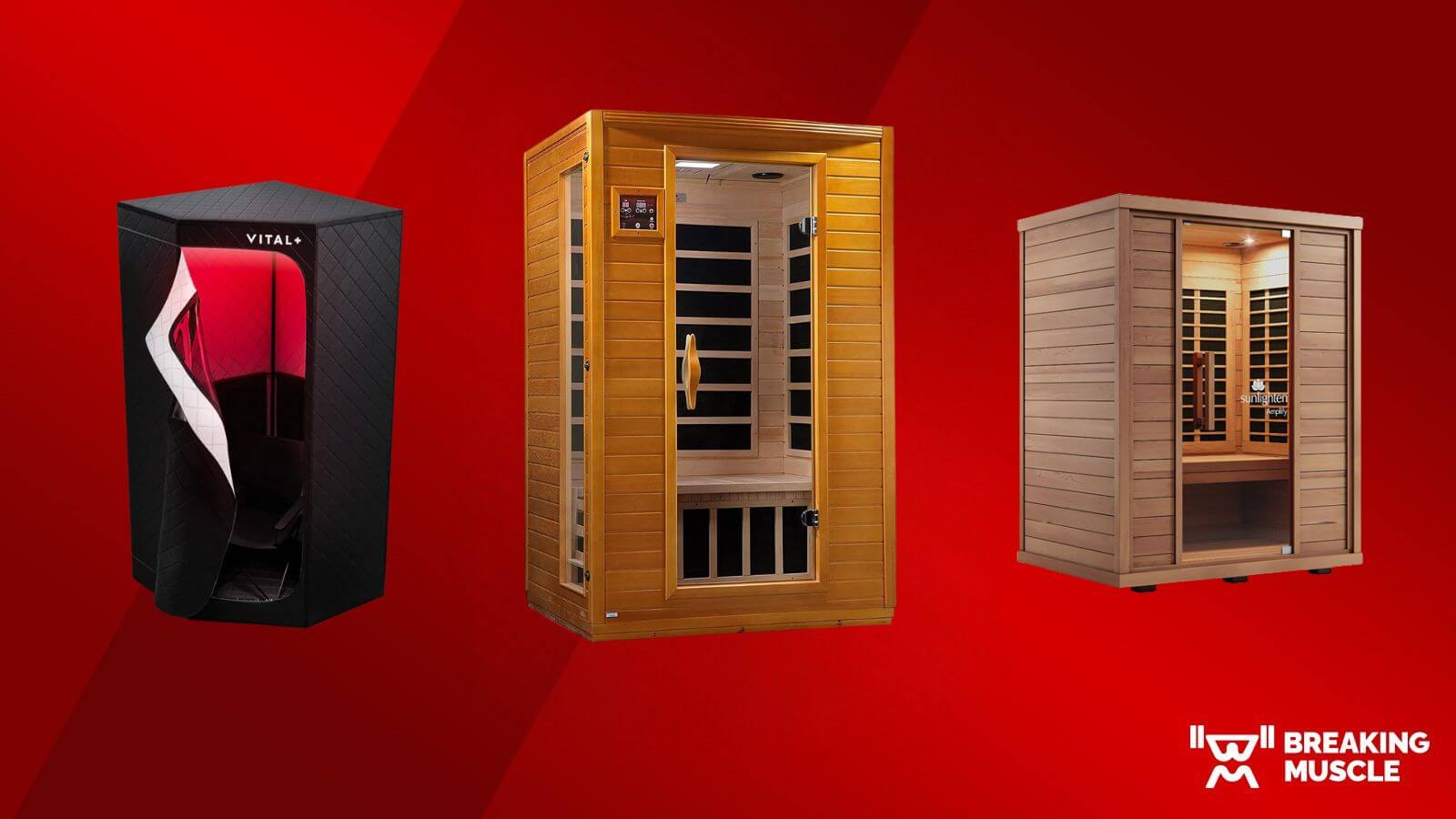
Infrared sauna technology represents another category gaining traction among health-conscious consumers. These systems use infrared light to warm the body directly rather than heating the surrounding air. Research suggests infrared saunas may penetrate tissue differently than traditional models, though peer-reviewed evidence on comparative health benefits remains limited.
Cube-style saunas have emerged as contemporary alternatives to traditional barrels. Their angular design accommodates modern landscaping aesthetics and often includes high-tech features like surround-sound speakers, LED light therapy, and device charging docks. These additions transform saunas into entertainment and wellness spaces rather than purely functional sweat boxes.
The wellness benefits associated with regular sauna use include improved cardiovascular function, muscle recovery, and stress reduction. A 2015 study published in JAMA Internal Medicine found that frequent sauna bathing correlated with lower cardiovascular mortality rates in Finnish populations. Heat exposure triggers vasodilation, increasing blood flow to muscles and skin. This physiological response may accelerate muscle recovery post-workout and promote relaxation.
Sauna sessions also stimulate heat shock proteins, cellular chaperones that assist in protein folding and cellular repair. Regular heat exposure appears to trigger adaptations similar to endurance training, though sauna use does not replace exercise.
The setup location matters significantly. Outdoor placement requires weatherproofing, proper drainage, and protection from elements. Wood-burning models need proximity to chimney venting. Electric models need reliable power access. These logistical considerations influence long-term ownership satisfaction and maintenance demands.
Purchase decisions should balance authenticity preferences against convenience needs. Traditional wood-burning saunas deliver atmosphere and the ritualistic experience of stoking fires, but demand more active participation. Electric and infrared models streamline the process, allowing quick temperature adjustment and extended session scheduling.
Integration with fitness routines works best when timing follows training sessions. Sauna use post-workout may enhance recovery by promoting blood flow to muscles and reducing inflammation markers. Sessions typically last 15-30 minutes at temperatures between 160-200 degrees Fahrenheit, though individual tolerance varies.
The outdoor sauna market continues expanding with innovation focused on user experience features and efficiency improvements. Whether buyers prioritize traditional authenticity, modern convenience, or advanced wellness technology shapes their selection. The effectiveness of any sauna largely depends on consistent use and proper hydration practices surrounding sessions.