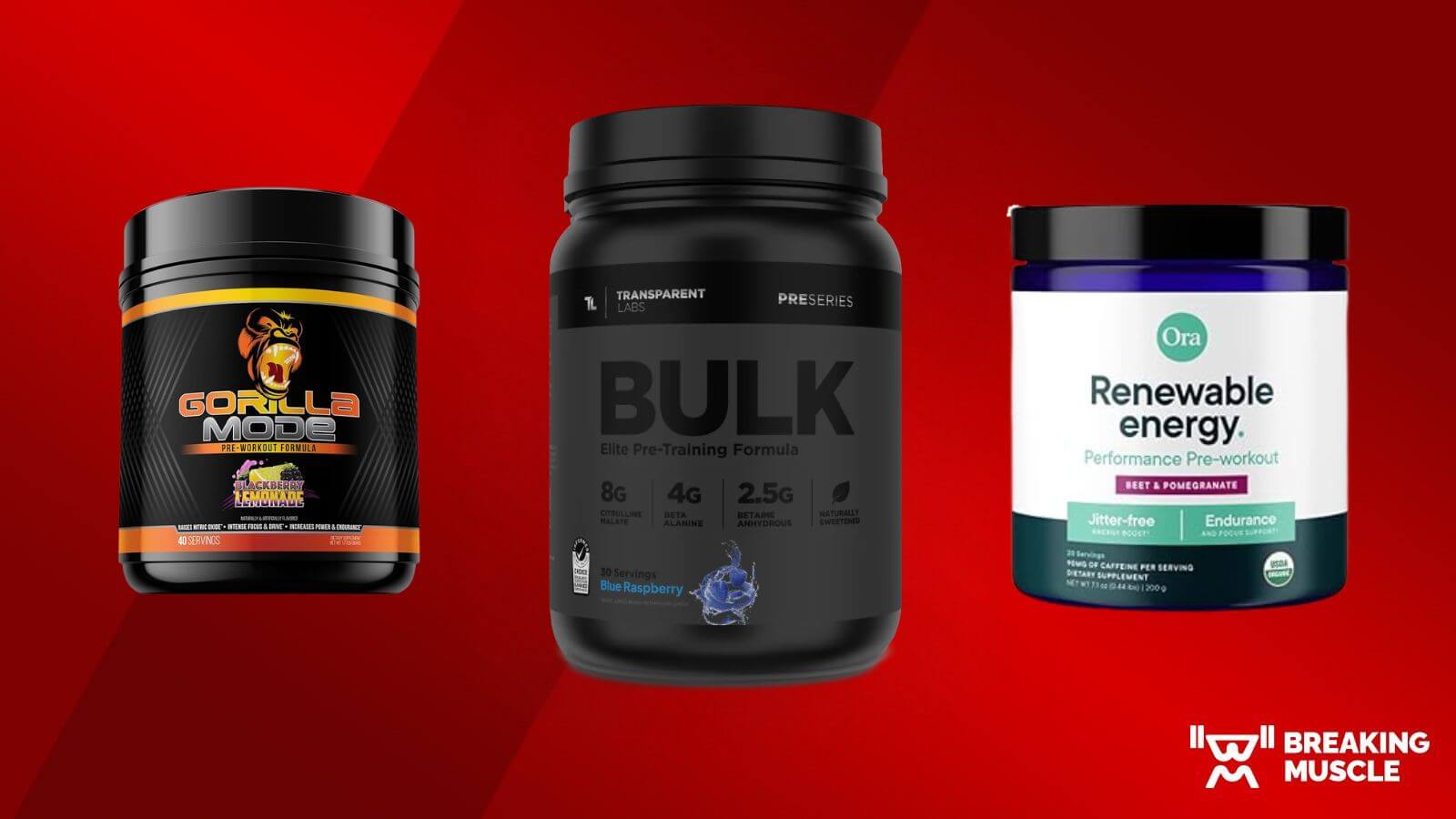
# The Strongest Pre-Workout Powders to Fuel Your Training in 2025
Pre-workout supplementation has become standard practice for lifters aiming to maximize training performance and output. A certified personal trainer and nutrition coach identifies the core supplements every trainee should consider, starting with whey protein powder and creatine as foundational choices in any stack.
Whey protein powder remains the most evidence-backed protein source available. Research consistently shows whey isolates and concentrates deliver rapid amino acid absorption, supporting muscle protein synthesis during post-workout recovery. A 2020 meta-analysis in the Journal of the International Society of Sports Nutrition confirmed whey protein produces superior hypertrophy gains compared to plant-based alternatives when training volume remains constant. Standard dosing sits at 0.7 to 1 gram per pound of bodyweight daily, split across meals and post-workout shakes.
Creatine monohydrate follows closely as the second pillar. Over 300 peer-reviewed studies validate creatine's ability to increase phosphocreatine stores in muscle tissue, directly enhancing ATP regeneration during high-intensity efforts. This translates to measurable strength gains. Studies show creatine users gain 1 to 3 more reps per set and add 2 to 10 pounds to lifts within 8 weeks. The International Society of Sports Nutrition recommends 5 grams daily after a loading phase, or 3 to 5 grams daily without loading. No kidney or liver damage occurs in healthy individuals at these doses.
Beyond these two cornerstones, pre-workout formulas typically contain caffeine, beta-alanine, and citrulline malate. Caffeine increases central nervous system stimulation, improving focus and power output by 3 to 7 percent in most users. Beta-alanine buffers lactic acid accumulation in muscles, allowing slightly longer high-rep sets before fatigue sets in. Citrulline malate enhances nitric oxide production, improving blood flow and nutrient delivery to working muscles.
Quality matters more than brand name. Look for third-party testing through NSF Certified for Sport, Informed Choice, or USP certifications. These verify label accuracy and screen for banned substances. Avoid products making exaggerated claims or lacking transparent ingredient lists. A strong pre-workout should list caffeine content in milligrams, beta-alanine dosage, and citrulline or citrulline malate amounts rather than hiding components in proprietary blends.
Timing affects absorption and effectiveness. Consume pre-workout powders 30 to 60 minutes before training. This window allows adequate digestion and peak blood levels during your lift. Caffeine sensitivity varies widely between individuals. Start with lower doses, around 100 to 150 milligrams, before advancing to 200 to 300 milligrams if tolerated.
Individual response varies based on genetics, training age, and tolerance. Beginners often experience greater effects from basic creatine and protein alone. Advanced lifters frequently require more comprehensive formulas to push past plateaus. Consistency in training matters more than supplement choice. No powder replaces proper programming, adequate sleep, and consistent effort under the bar.
Budget considerations matter. Whey protein and creatine cost under fifteen dollars monthly combined. Pre-workout formulas range from twenty to forty dollars per month depending on brand and serving size. The investment pays dividends through enhanced performance and recovery, provided training and nutrition fundamentals remain solid.