# The Best Massage Guns for Workout Recovery: What the Research Shows
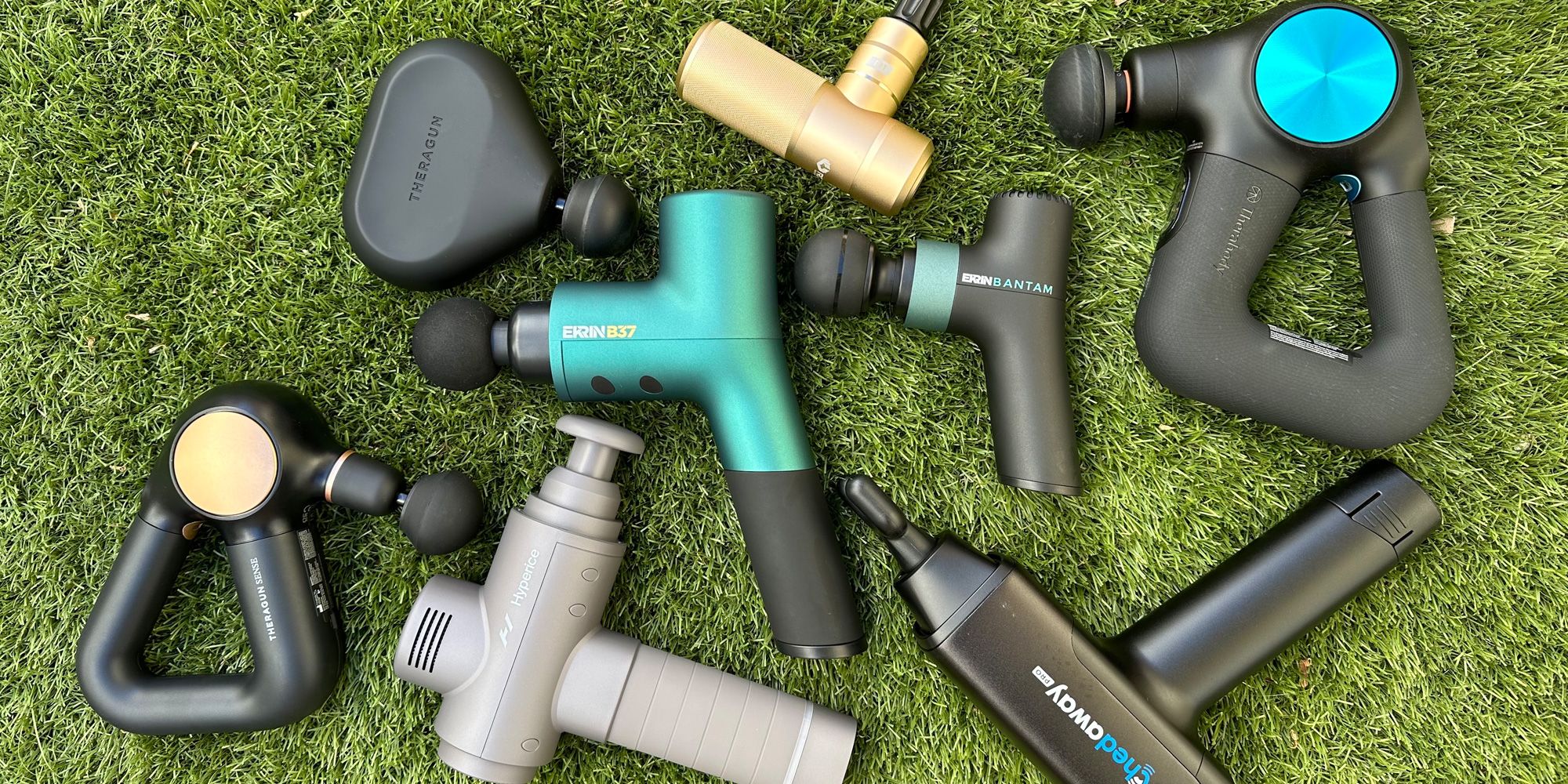
Massage guns have become standard equipment in gyms, physical therapy clinics, and home recovery routines. These handheld percussion devices deliver rapid vibrations to muscles, targeting muscle soreness, reducing tension, and accelerating recovery between workouts. Runner's World recently compiled an eight-gun guide, highlighting tools that runners and endurance athletes use to maintain performance.
The science backing massage gun use comes from research on percussive therapy and muscle recovery. Studies published in the Journal of Clinical Medicine found that percussion massage increases blood flow to targeted muscles and reduces delayed-onset muscle soreness (DOMS) in the 24 to 72 hours following intense exercise. The mechanism works by stimulating mechanoreceptors in muscle tissue, triggering a relaxation response that breaks the tension cycle many athletes experience after hard training.
Massage guns operate on simple physics. High-frequency vibrations, typically ranging from 1,200 to 3,200 pulses per minute, penetrate muscle tissue without requiring sustained pressure. This differs from traditional massage, where a therapist applies variable force over time. The consistency and speed of percussion massage make it reproducible and measurable, which explains its growing adoption among sports scientists and strength coaches.
Pre-workout use appears equally valuable. Light massage gun application five to 10 minutes before training increases muscle elasticity and core temperature, preparing tissue for loading. Research from the Sports Medicine Journal noted that athletes using percussion massage before workouts reported improved range of motion and reduced injury risk, particularly when combined with dynamic stretching.
The eight guns Runner's World selected vary in price, power, and portability. Professional-grade devices like the Theragun Pro deliver 16-millimeter stroke depth and adjustable speeds reaching 2,400 pulses per minute. Budget-friendly alternatives like the Hyperice Hypervolt offer comparable results at lower price points. Lighter models work well for travel, while heavier devices provide deeper tissue penetration for athletes with high muscle density.
Battery life matters for consistent users. Most premium guns maintain 150 to 180 minutes of use per charge, sufficient for daily recovery sessions. Attachment heads vary by gun. Foam ball heads suit large muscle groups like quads and glutes. Flat heads work well for calves and forearms. Bullet tips penetrate deep tissue around joints, though users should avoid bony prominences.
Optimal protocol involves 30 to 90 seconds per muscle group, applied pre-workout and post-workout. More isn't better. Excessive use can trigger inflammation rather than reduce it. Physical therapists recommend starting at lower speeds, particularly for athletes new to percussion massage, and progressing to higher intensities as tissue adapts.
The practical advantage remains simple. Massage guns require no partner, work on any schedule, and cost less than regular professional massage therapy. For runners managing training stress across 50 to 80 miles per week, this tool provides accessible recovery support that complements sleep, nutrition, and structured rest days.