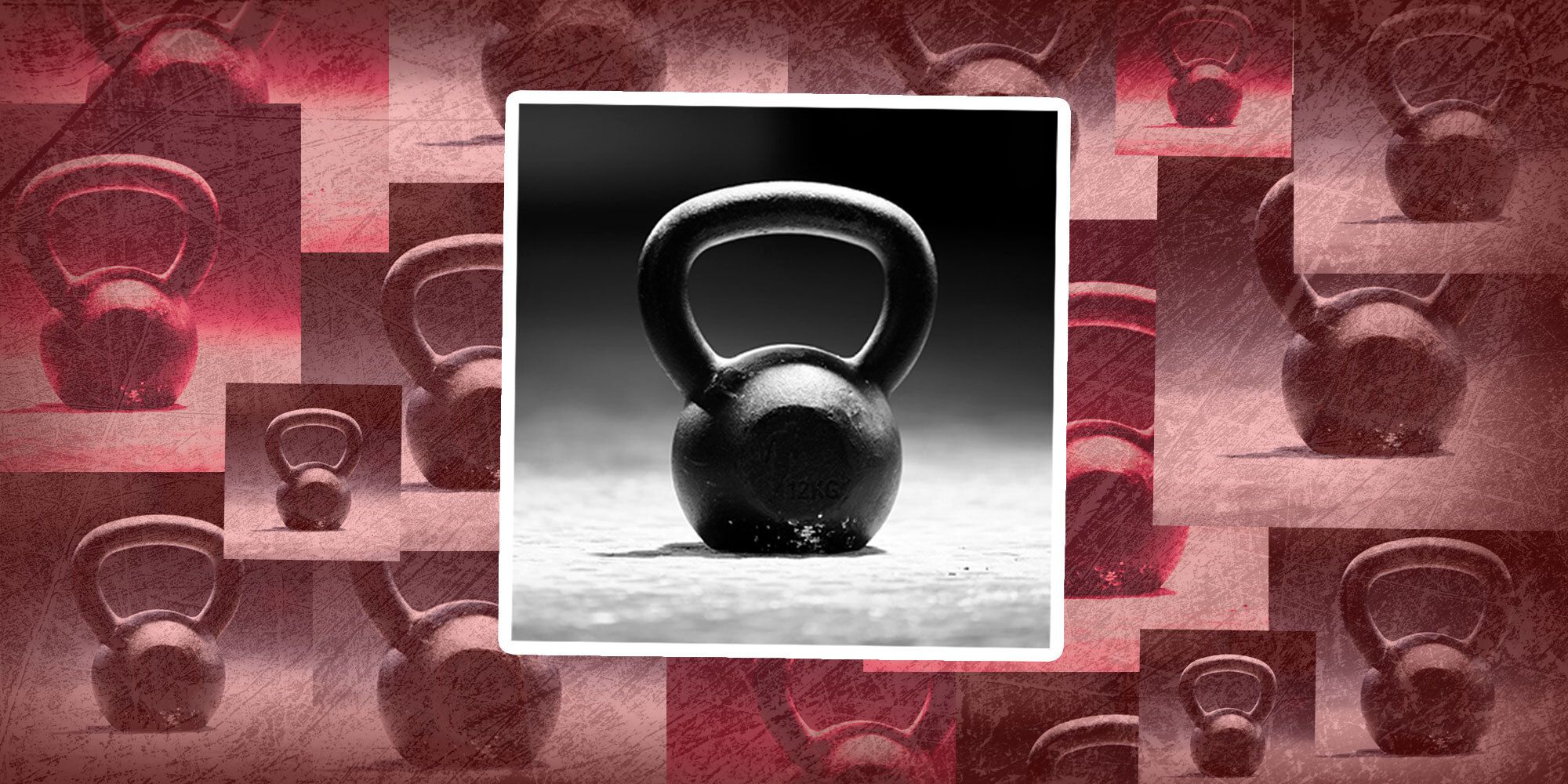
# What Size Kettlebell Should I Get for Your Home Gym
Kettlebell selection depends on your training goals, current strength level, and the specific exercises you plan to perform. There's no universal answer, but the right weight transforms this versatile tool into one of your most effective home gym investments.
For beginners, start lighter than you think necessary. A kettlebell that feels too light during a few reps will feel appropriately challenging during longer sets or ballistic movements like swings. Men typically start with 16-24 kg (35-53 pounds), while women often begin with 8-12 kg (18-26 pounds). These weights allow proper form development across fundamental movements: swings, goblet squats, Turkish get-ups, and farmer carries.
Consider your primary training focus. Strength-focused work demands heavier kettlebells, sometimes 32 kg or more, especially for single-arm movements and loaded carries. Conditioning and cardio training benefit from lighter weights used explosively. Many lifters benefit from owning two kettlebells of different weights rather than settling on a single size. This approach enables variations on the same exercise and prevents the frustrating scenario where your weight proves either too easy or too demanding.
Movement quality matters most. A kettlebell too heavy forces compromised form, increasing injury risk and reducing training effectiveness. Ballistic movements like swings require explosive power; you should complete reps with control and precision. For loaded positions like front squats or Turkish get-ups, choose a weight that challenges your strength without forcing compensation patterns.
Test before buying. Visit a gym with kettlebells or try models at a fitness equipment store. Perform a few sets of swings and goblet squats to gauge how the weight feels during sustained work. Your muscles fatigue differently than during barbell training.
Most lifters find starting with a