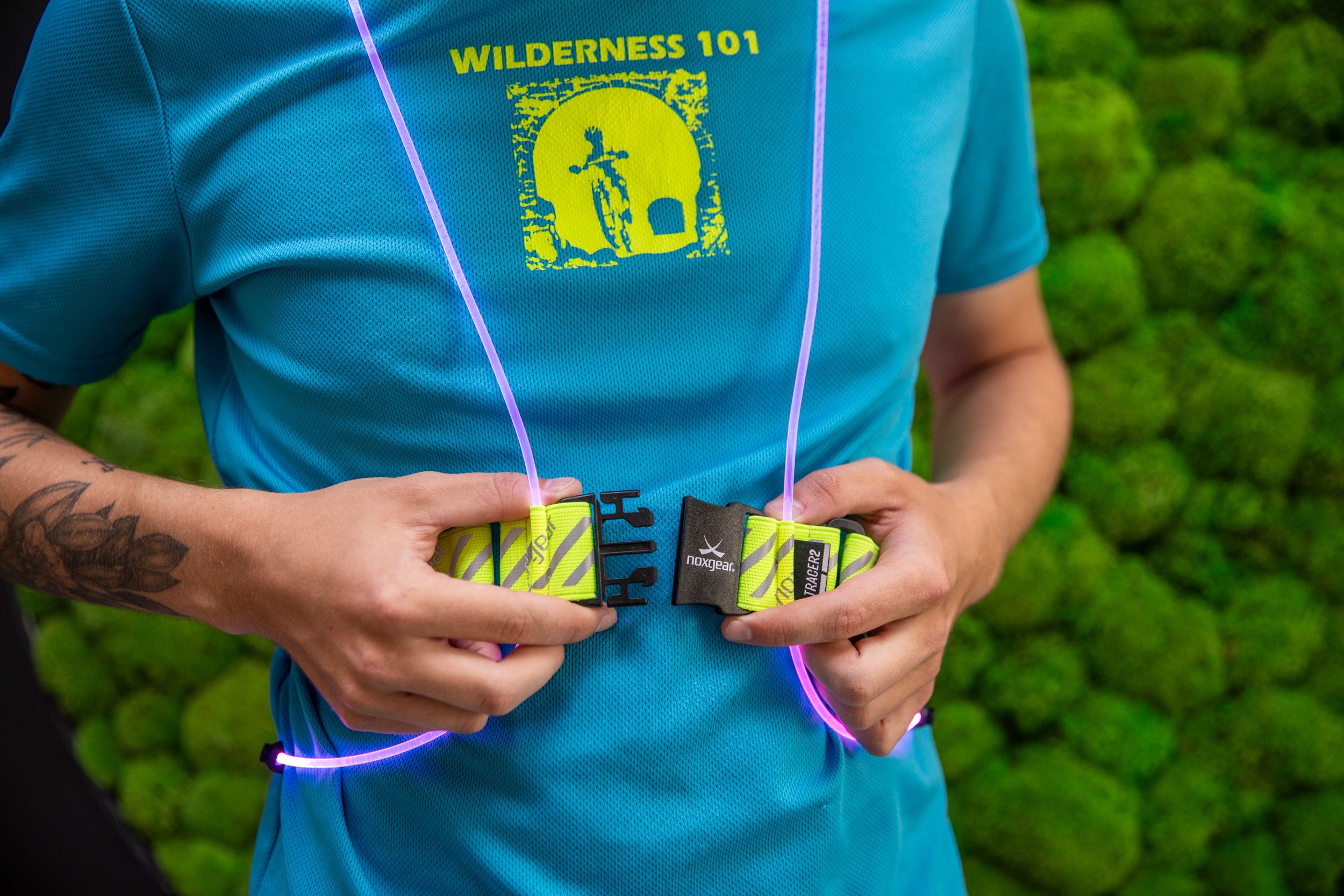
Running in low-light conditions demands visibility. Whether you train before dawn or after dusk, the right lighting protects you from traffic while alerting drivers and cyclists to your location.
Headlamps remain the gold standard for runners. They project light directly ahead, illuminating your path and ensuring you see obstacles, potholes, and curbs. Most modern running headlamps weigh under three ounces and feature adjustable brightness settings to prevent battery drain during longer efforts.
Clip-on lights offer a lighter alternative. These compact devices attach to your chest, arm, or shoe and emit either steady or flashing beams. Flashing modes work particularly well for visibility since human eyes detect motion faster than static light. Runners often use both a forward-facing headlamp and a rear-facing clip-on light for 360-degree visibility.
Ankle lights provide another option. Worn around the lower leg or shoe, they make your feet visible to approaching traffic, especially effective at intersecting roads where drivers look for movement at ground level.
The best choice depends on your typical routes and training pace. Technical trail runners prioritize brightness and beam distance from headlamps. Road runners on suburban streets may find clip-ons sufficient. Night commuters benefit from multiple light sources.
Battery life varies widely. Rechargeable headlamps typically last 4 to 15 hours per charge depending on brightness level. Clip-on lights often exceed 20 hours on a single battery. Runner's World tested these products for durability, water resistance, comfort during movement, and light quality across different terrains.
Invest in lights rated for water resistance, since rain and sweat will expose them to moisture. Secure fits matter too. Bouncing lights create distracting shadows and waste battery power. Most quality running lights use red LEDs for rear visibility since red light penetrates darkness effectively