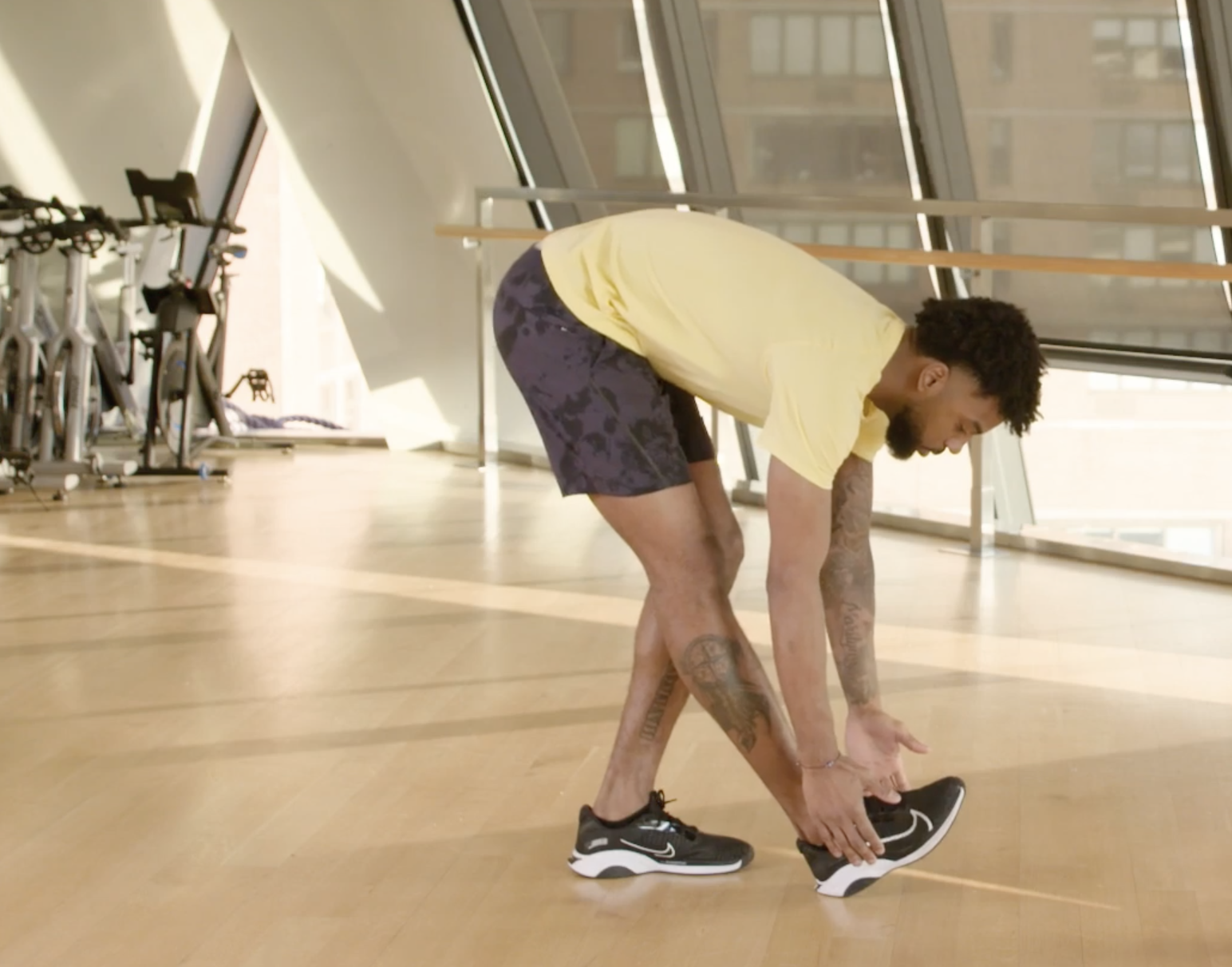
Tight hamstrings limit athletic performance and increase injury risk. A series of stretches developed by physical therapists targets this problem directly, offering measurable improvements in lower body flexibility.
The hamstring group consists of three muscles running along the back of the thigh. These muscles control knee bending and hip extension, movements essential for running, jumping, and squatting. When hamstrings tighten, they restrict range of motion and force compensatory patterns that stress the lower back and knees.
Physical therapists recommend a progression of stretches addressing different hamstring attachments and angles. Static stretching holds a single position for 20 to 30 seconds, allowing muscle fibers to gradually lengthen. Dynamic stretching involves controlled movement through the full range of motion, preparing muscles for activity.
A practical routine starts with a seated forward fold, where you sit with legs extended and hinge at the hips, reaching toward your toes. This targets the hamstring fully lengthened. Next, the standing hamstring stretch uses a bench or elevated surface. Place one heel on the bench, keep the leg straight, and hinge forward at the hips until you feel tension down the back of the thigh.
The lying hamstring stretch offers another variation. Lying on your back, pull one knee toward your chest with both hands, then straighten the leg toward the ceiling, keeping the knee as straight as possible. A towel or resistance band can increase the stretch intensity.
Consistency drives results. Research shows that regular stretching improves flexibility within two to four weeks when performed three to five times weekly. Stretching after workouts when muscles are warm produces better outcomes than stretching cold muscles.
For athletes, improved hamstring flexibility translates to better squat and deadlift depth, increased stride length in running, and reduced injury probability. A 2019 study in the Journal of Sports Sciences