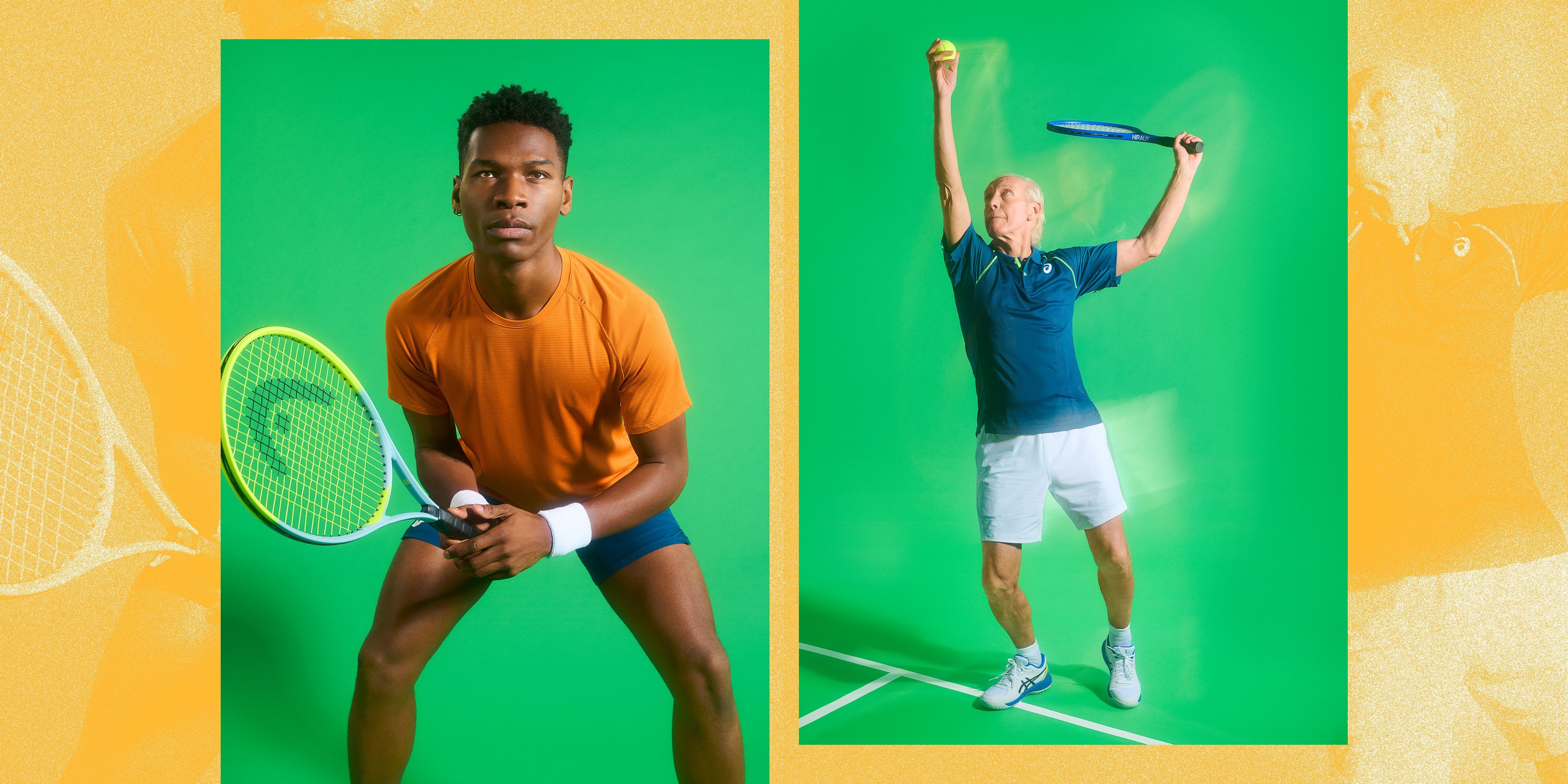
Tennis ranks among the most effective activities for extending lifespan, according to research examining exercise and longevity. A 2023 study published in the British Journal of Sports Medicine tracked over 80,000 adults and found that racquet sports, including tennis, correlated with a 16% reduction in all-cause mortality compared to sedentary controls. That outperformed running, swimming, and cycling in the same analysis.
The cardiovascular demands explain much of this advantage. Tennis requires explosive bursts of speed, directional changes, and sustained rallies that elevate heart rate into both aerobic and anaerobic zones. This mixed-intensity pattern triggers greater improvements in VO2 max and heart health than steady-state cardio alone. Players also develop superior agility, balance, and reaction time—factors that reduce fall risk in aging populations.
Beyond physiology, the social component matters. Tennis is inherently competitive and social. Players engage with opponents, partners, and club communities regularly. Research from Harvard Medical School demonstrates that consistent social engagement adds years to lifespan independently of exercise itself. The combination of physical challenge and social connection creates what researchers call a "double benefit."
The sport also builds strength and power without the joint impact of running. The lateral movements, explosive serves, and multi-planar demands engage stabilizer muscles throughout the core, hips, and ankles. This functional strength translates directly to injury prevention and mobility in daily life.
Not everyone needs tournament credentials to benefit. Recreational tennis produces the same longevity gains. A 2024 analysis in Sports Medicine found that playing just 3 hours per week—roughly one or two casual sessions—delivers measurable cardiovascular improvements and mortality reduction.
The barrier remains access and skill. Tennis requires a court, racquet, and basic technique. Beginners often find the learning curve steeper than running or cycling. Still, the