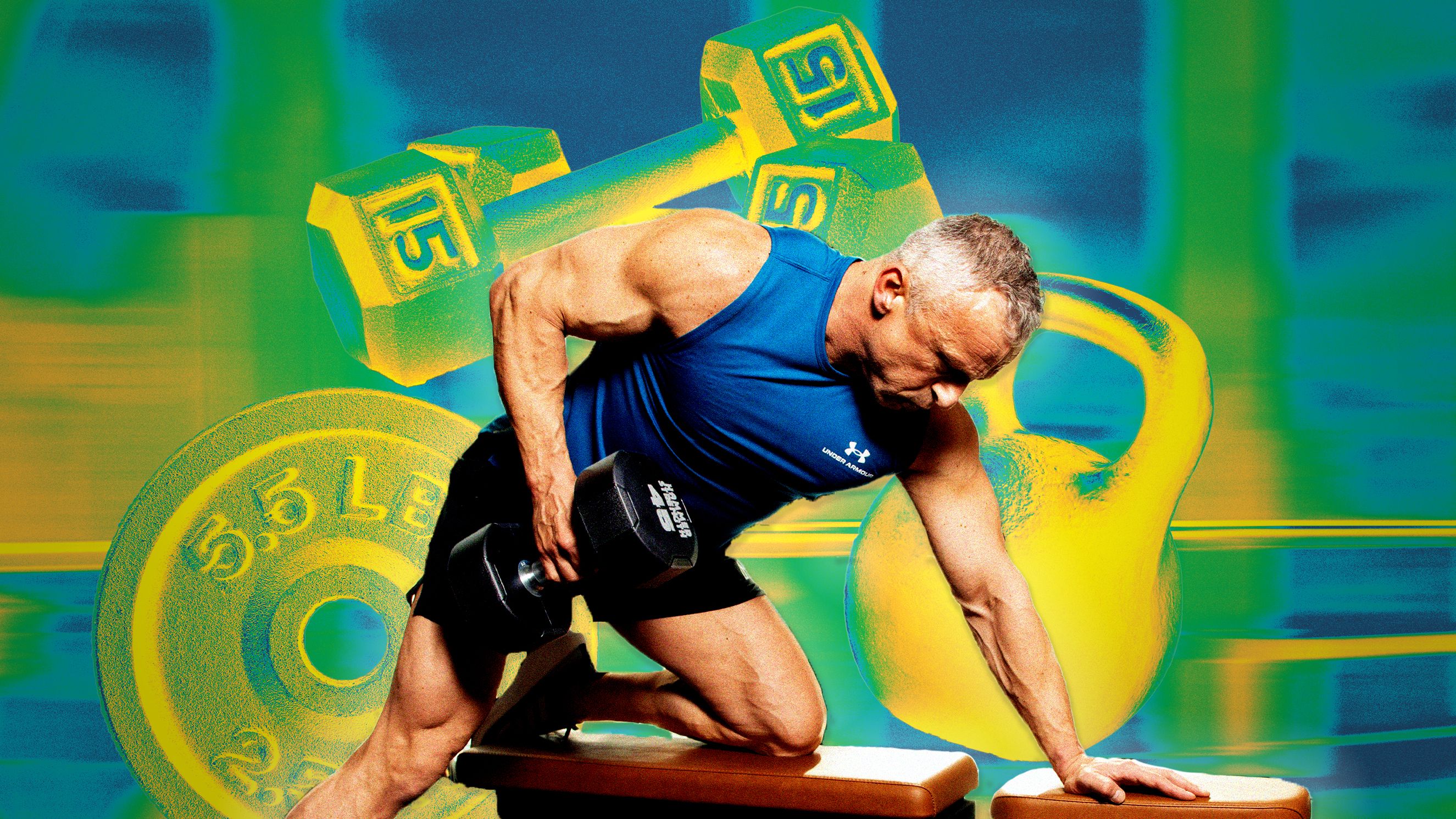
Building muscle after 50 requires a different approach than younger lifters use, but research confirms that age alone does not prevent gains. A trainer sharing real-world methods breaks down five concrete rules for sustained strength.
Progressive overload remains the foundation. Lifters at 50 need to consistently challenge muscles by increasing weight, reps, or sets over time. This principle applies regardless of age. The difference lies in recovery. Older athletes benefit from longer rest periods between sets and between training sessions, typically 48 to 72 hours before hitting the same muscle groups again.
Compound movements drive results. Squats, deadlifts, rows, and presses recruit multiple muscle groups and trigger hormonal responses that support muscle growth. These movements work efficiently for time-pressed adults balancing work and family obligations.
Protein intake becomes non-negotiable. Older adults need roughly 0.8 to 1.0 grams of protein per pound of body weight daily to maximize muscle protein synthesis. Spreading protein across meals, rather than loading it all at dinner, optimizes this process.
Consistency beats intensity. Training three to four days per week produces better results than sporadic high-effort sessions. Steady commitment over months outperforms aggressive short-term efforts that risk injury and burnout.
Sleep directly impacts muscle growth. Adults over 50 should prioritize seven to nine hours nightly. Poor sleep undermines hormonal balance and slows recovery, negating training benefits.
The science backs this approach. Studies on older adults show that resistance training halts and reverses muscle loss, improves bone density, and enhances metabolic health. Starting now matters more than waiting for the perfect moment. Progressive overload, smart recovery, and basic nutrition deliver measurable strength gains for anyone willing to commit.