# Colostrum as a Performance Supplement: What the Research Actually Shows
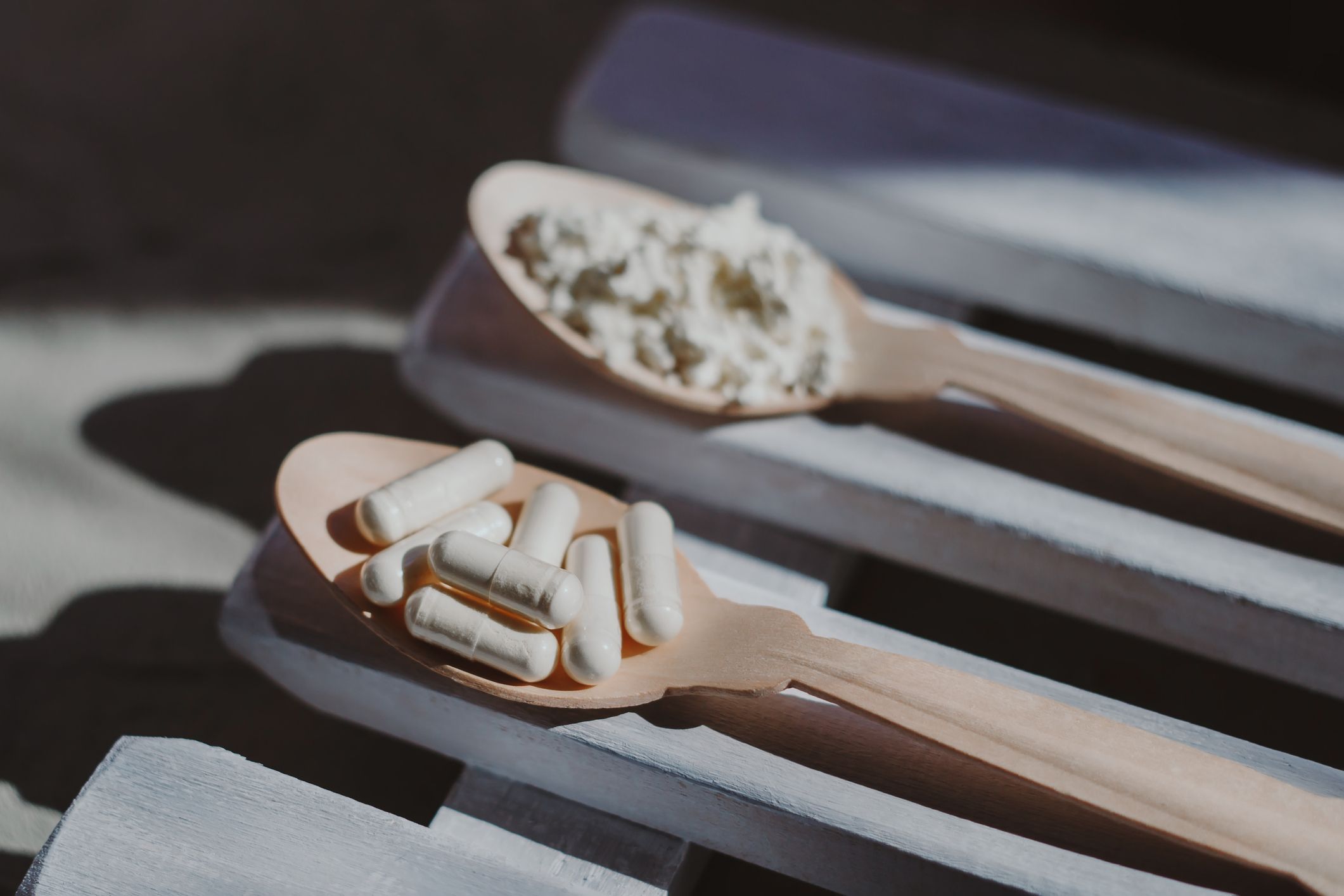
Colostrum, the nutrient-dense fluid that mammals produce before milk, has gained traction among rodeo riders and athletes seeking performance advantages. Chiropractors frequently recommend it to clients. The supplement industry markets colostrum as a "super" product capable of enhancing recovery, immunity, and athletic performance. But evidence-based fitness professionals need to examine what research actually supports these claims.
Bovine colostrum, harvested from dairy cows, contains immunoglobulins, growth factors, and lactoferrin. These compounds possess documented antimicrobial and anti-inflammatory properties in laboratory settings. However, translating bench science into real-world athletic gains requires robust clinical trials.
Several small studies suggest colostrum may reduce upper respiratory infections in endurance athletes during heavy training blocks. A 2019 systematic review found mixed results. Some trials showed modest improvements in gut barrier function and reduced intestinal permeability in runners. Other studies detected no significant performance gains when measured by power output, speed, or time-to-exhaustion metrics.
The dosage issue complicates recommendations. Most research uses 20 to 60 grams daily, taken consistently over 2 to 8 weeks. Athletes considering colostrum should understand that results vary widely across individuals. Responders tend to be those with compromised immune function or frequent infections, not elite performers seeking marginal gains.
Cost represents another practical concern. Quality colostrum supplements run $30 to $60 monthly. For that investment, evidence-based alternatives exist. Adequate sleep, proper periodization, and carbohydrate timing produce measurable performance returns supported by stronger research.
Colostrum's popularity among chiropractors partly reflects their broader supplement-first approach to health. While not dangerous, recommending