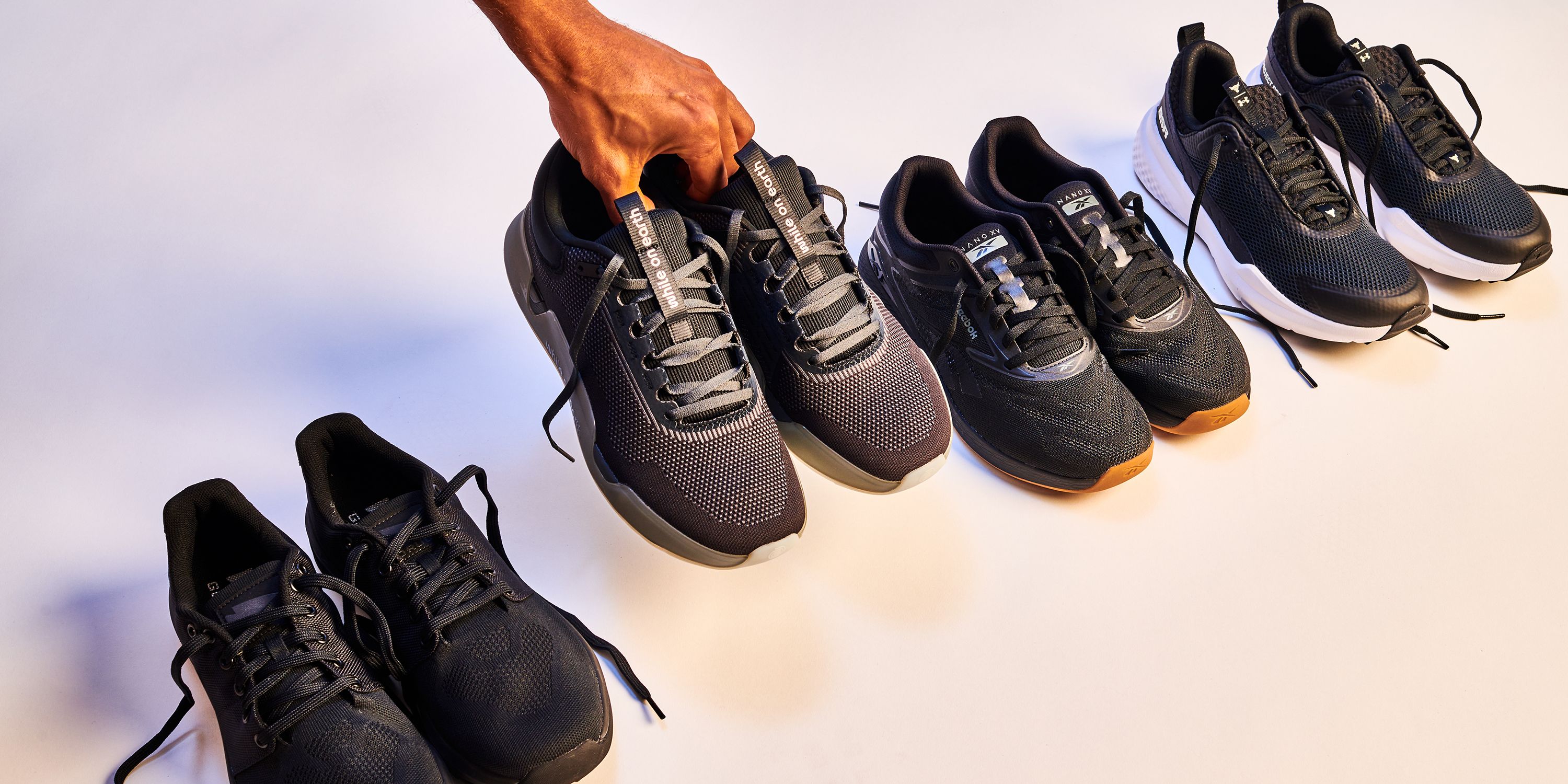
# 8 Best Cross-Training Shoes, Gym-Tested by Trainers and Editors
Cross-training shoes demand a different engineering approach than running shoes. They need lateral stability for side-to-side movements, cushioning that won't compress under heavy weights, and a flat base for squats and deadlifts. Men's Health tested models from Nike, Reebok, and Under Armour to identify which ones actually deliver across varied gym activities.
The testing process involved real trainers and editors performing multiple movement patterns. Cross-training shoes must handle explosive plyometrics, weightlifting, rope climbs, and shuttle runs without compromising ankle support or energy transfer. This rules out traditional running shoes, which prioritize forward momentum cushioning at the expense of lateral rigidity.
Nike's offerings typically excel in court-style stability, using reinforced heel counters and wider forefoot platforms. Reebok emphasizes flat soles for deadlifting and squats, prioritizing ground feel over plush cushioning. Under Armour models tend to split the difference, balancing cushioning with responsive feel.
The best cross-training shoe depends on your primary activity. Lifters prioritize a hard, flat base and minimal heel drop. Athletes mixing conditioning work with lifting want slightly more cushioning and flexibility in the midfoot. High-impact activities like box jumps require better shock absorption without sacrificing stability.
Key features separating quality cross-trainers from compromises: reinforced toe caps for durability during rope work, gum rubber outsoles for court traction, midfoot shanks that prevent excessive flexibility, and breathable uppers that handle sweat-heavy sessions. Heel height matters too. A 4-6mm drop works well for most cross-training, whereas pure lifting shoes use 0-2mm drops.
The testing methodology examined real-world