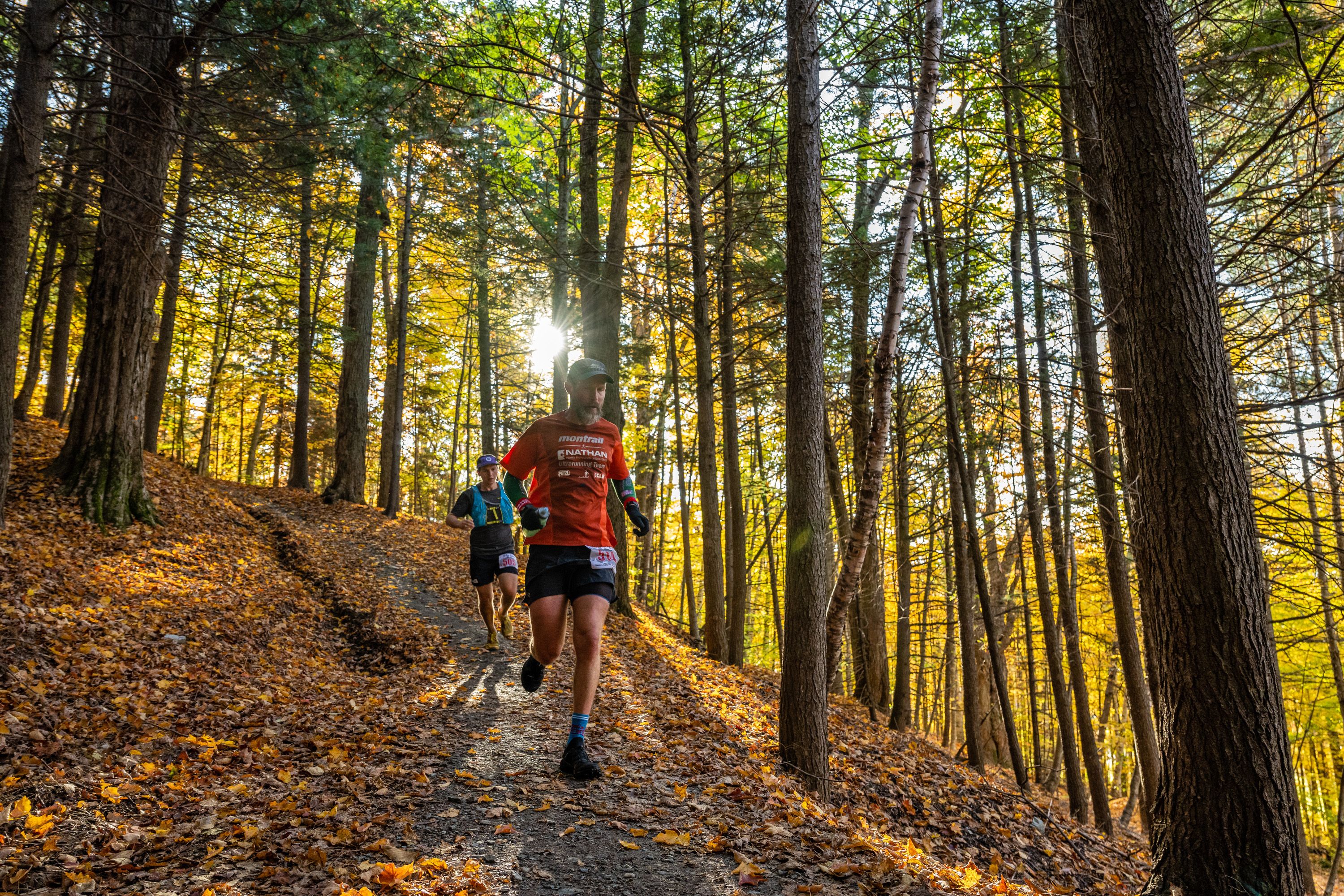
Fall marathons offer runners a unique opportunity to combine endurance training with stunning natural scenery. Popular autumn races capitalize on peak foliage seasons across North America, with routes designed through regions known for dramatic seasonal color changes.
Runner's World curates annual lists of marathons that showcase the best fall landscapes. These races typically occur in September through November, when deciduous forests reach peak color in areas like New England, the Pacific Northwest, and the Upper Midwest. Runners report that scenic routes improve race-day motivation and create memorable experiences beyond personal records.
Training for fall marathons requires attention to cooler temperatures and variable weather conditions. Most athletes follow 16 to 20-week training cycles that build mileage gradually while incorporating tempo runs, long runs, and recovery weeks. Fall racing conditions often favor faster times compared to spring marathons, as cooler air reduces heat stress on the cardiovascular system and core temperature regulation.
Popular fall marathon destinations include races through Vermont's Green Mountains, Oregon's Columbia River Gorge, and Michigan's Mackinac Island trails. These routes feature elevation profiles ranging from flat road courses to technical trail marathons with significant climbing.
For runners planning fall marathons, course reconnaissance helps with pacing strategy. Understanding elevation changes, aid station locations, and terrain type allows athletes to adjust training intensity and nutrition timing. Many fall marathons attract competitive runners chasing faster times while also drawing recreational participants focused on the experience rather than pace.
Spectator-friendly courses with accessible viewing areas tend to draw larger crowds in fall, creating social atmospheres that boost runner energy. The combination of personal achievement, natural beauty, and seasonal pageantry makes autumn races popular annual events across running communities.