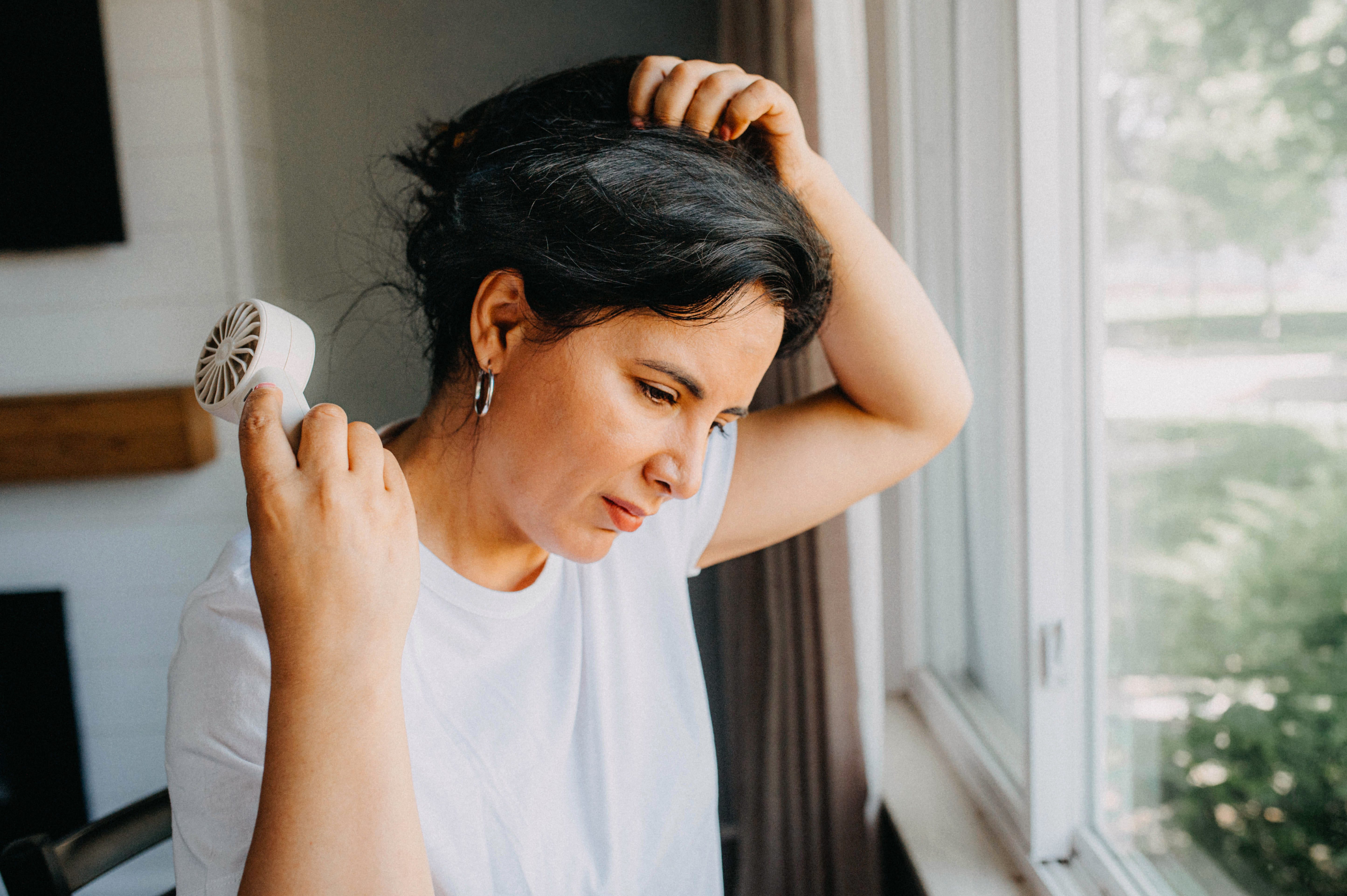
Spicy foods, alcohol, and caffeine may trigger hot flashes for some women in perimenopause and menopause, though most evidence comes from self-reported data rather than controlled clinical trials.
A cross-sectional study found that frequent spicy food consumption was significantly associated with a higher likelihood of experiencing hot flashes, though it did not prove cause and effect. A review published in Maturitas noted that avoiding triggers such as alcohol and spices may help reduce hot flash frequency as a lifestyle measure for mild symptoms. One study of more than 1,800 women found that caffeine use was associated with more bothersome hot flashes and night sweats, specifically among postmenopausal women. This study shows an association, not proof that caffeine causes hot flashes.
A large prospective cohort study of Australian women found that a diet high in fat and sugar was associated with a higher risk of hot flashes and night sweats, while a Mediterranean-style diet was associated with a lower risk. The Mediterranean pattern includes vegetables, fruit, beans, whole grains, nuts, olive oil, and fish.
Research on soy for hot flashes is mixed. One small randomized trial found that women who ate a low-fat vegan diet including a half cup of cooked soybeans each day reported fewer and less severe hot flashes than women who did not change their diet. However, the Menopause Society's 2023 review of nonhormone treatments concluded that overall research on soy foods and supplements is too inconsistent to recommend them for hot flashes.
The National Institute on Aging reports that hot flashes are very common in menopause. In the long-running SWAN study, they lasted a median of about 7.4 years.
No strong research shows that drinking more water prevents hot flashes. Food is not a cure and works best alongside medical treatments, not in place of them.