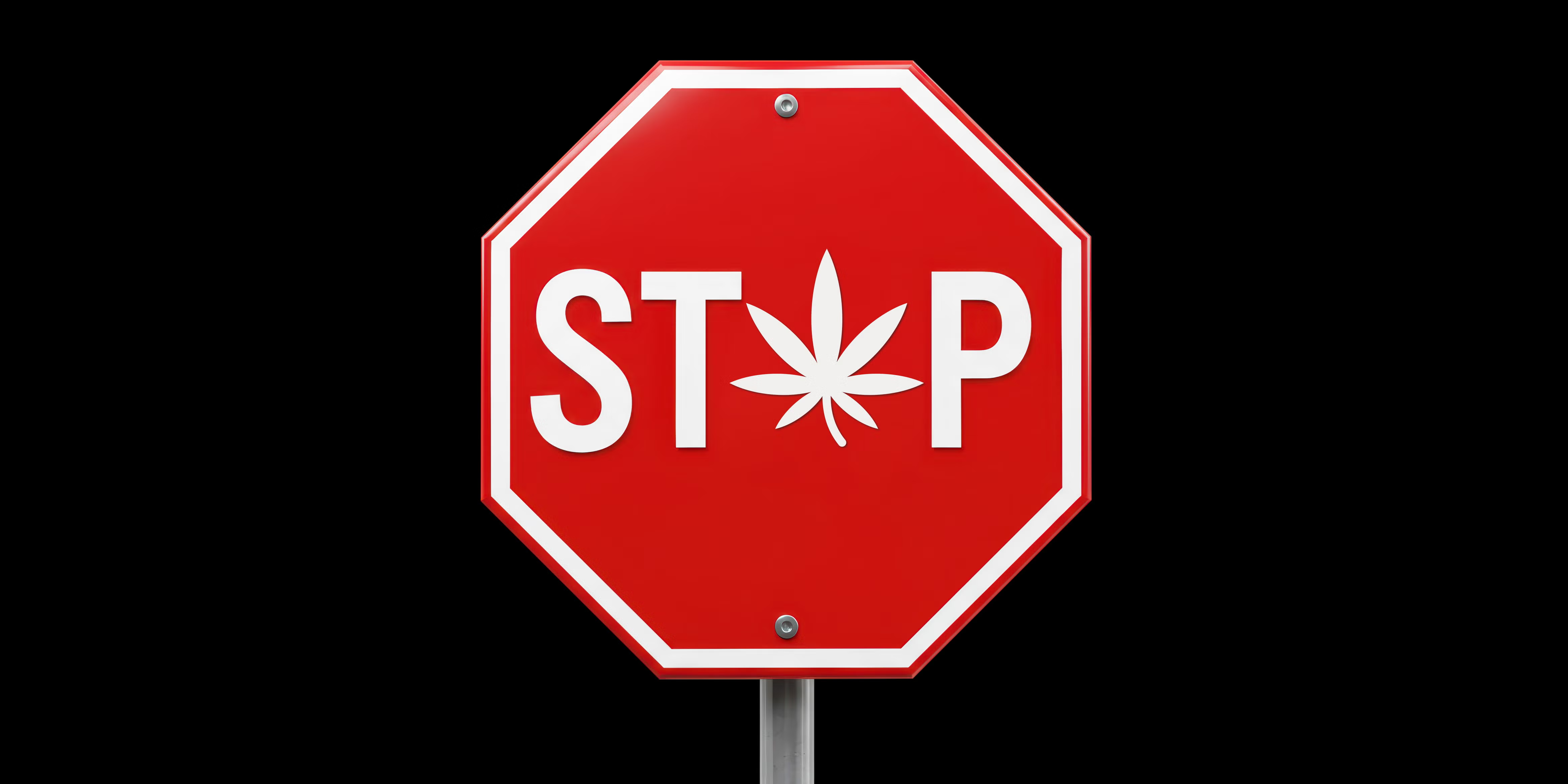
Michael Stevens, PhD, director of the Clinical Neuroscience & Development Laboratory at the Olin Neuropsychiatry Research Center, recommends waiting three to six hours after taking THC before driving. That wide range reflects genuine uncertainty about cannabis impairment on the road.
Stevens and colleagues ran a lab study using a high-tech driving simulator with 19 tracked performance metrics. After participants inhaled cannabis, researchers monitored them for several hours and examined brain activity via MRI. Six of the 19 metrics, roughly one-third, showed significant impairment following cannabis use. Drivers passed other cars too closely, tailgated, and failed to make steering adjustments to keep their vehicle centered in its lane.
Higher-potency cannabis correlated with worse driving performance. However, THC blood levels were not a strong predictor of dangerous driving. Some participants' dangerous driving faded gradually while others' worsened before improving. About two-thirds of study participants said they would drive despite feeling high and despite objective measurement showing they drove worse.
A recent AAA survey found 35 percent of people believe they drive better when high. Stevens acknowledges some truth exists: people can be more cautious when stoned. "But at the same time, being high whacks out many cognitive abilities," he says. Stoned drivers tended to drive too slowly, which can disrupt traffic flow, prompt risky passing maneuvers, and cause rear-end collisions.
A 2021 analysis found a 15 percent increase in fatal car crashes following marijuana legalization. A separate review linked legalization to increases in car accidents, injuries, or fatalities.
States use inconsistent approaches to determine cannabis impairment. Some states apply blood THC thresholds ranging from 2 to 5 ng/mL. Others use effects-based approaches looking for signs like erratic braking or bloodshot eyes. Stevens says the safest approach remains simple: call an Uber, text a friend, or wait it out.