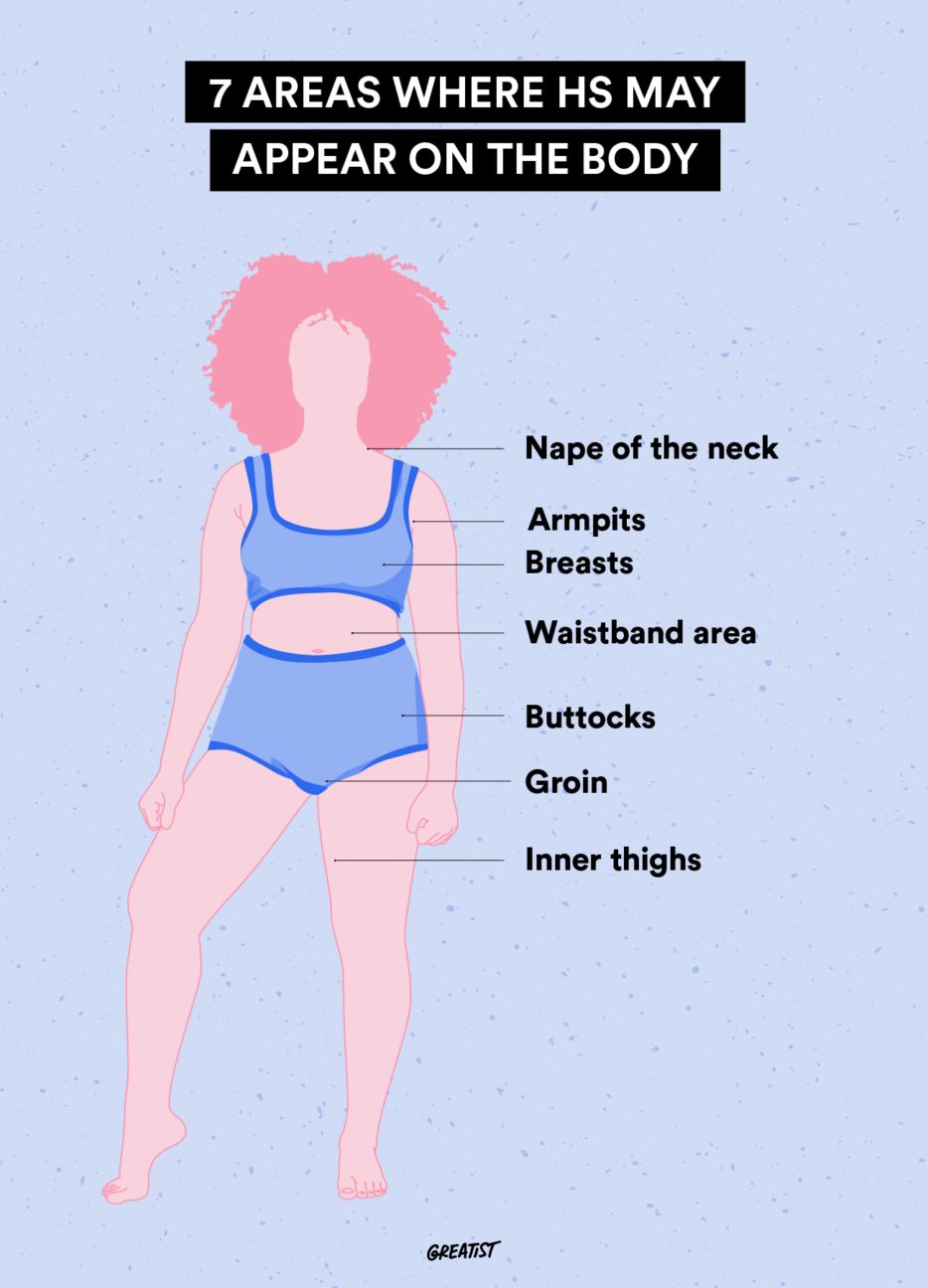
Hidradenitis suppurativa (HS) remains one of dermatology's most misunderstood chronic conditions. The disease produces painful, boil-like lumps in specific body regions, but it is not an infection. Instead, HS develops from inflammation in hair follicles and apocrine glands. The condition worsens over time without proper management.
Seven primary locations develop HS lesions. Underarms rank as the most common site. The disease also appears frequently in the groin, inner thighs, buttocks, nape of the neck, breast area, and waistband regions. These zones share one critical feature: they experience high friction from skin-to-skin contact or constant rubbing against clothing. Heat and moisture accumulate in these fold areas, creating ideal environments for HS flares.
The connection between friction and HS severity matters for patients. Tight clothing, repetitive movement, and excessive sweating all trigger symptom escalation. Patients often report that physical activity, especially in warm conditions, accelerates lesion development. This pattern explains why HS predominantly affects intertriginous zones—areas where skin surfaces meet.
HS appears to involve a combination of genetic, environmental, and hormonal triggers, though researchers have not isolated a single cause. Family history strongly predicts risk. Individuals with relatives who have HS face substantially higher odds of developing the disease themselves. Hormonal fluctuations in women correlate with symptom timing, suggesting estrogen may influence disease activity. Smoking increases HS risk and worsens progression. Obesity creates additional friction in susceptible body areas, compounding the problem.
The condition typically begins with single lesions that resemble ordinary pimples or boils. However, HS differs fundamentally from acne. Rather than resolve independently, HS lesions deepen, tunnel beneath the skin surface, and form interconnected tracts. Painful abscesses develop. Secondary bacterial infections frequently complicate the primary inflammatory process. Drainage becomes chronic. Scarring accumulates over months and years.
Early recognition by a dermatologist improves outcomes substantially. Many patients receive incorrect diagnoses initially, delaying effective treatment. Dermatologists now employ topical medications, systemic antibiotics, hormonal therapies, biologic agents, and surgical interventions depending on disease severity. Hidradenitis suppurativa represents a true chronic inflammatory disorder requiring specialized medical oversight.
Lifestyle modifications address friction triggers effectively. Loose clothing reduces skin irritation. Anti-bacterial washes lower secondary infection risk. Weight management decreases friction in fold regions. Some patients benefit from hair removal in affected areas, though this requires careful technique to avoid triggering additional flares.
HS profoundly impacts quality of life. Patients report chronic pain, social embarrassment, and depression related to drainage and odor. The unpredictable nature of flares disrupts work and relationships. Mental health support becomes an essential component of comprehensive HS management alongside dermatological care.
Anyone experiencing recurrent, painful lesions in these seven body regions should pursue specialist evaluation. Early intervention prevents disease progression and reduces long-term scarring. Dermatologists trained in HS management can differentiate the condition from common skin infections and establish personalized treatment plans targeting individual disease patterns and severity levels.