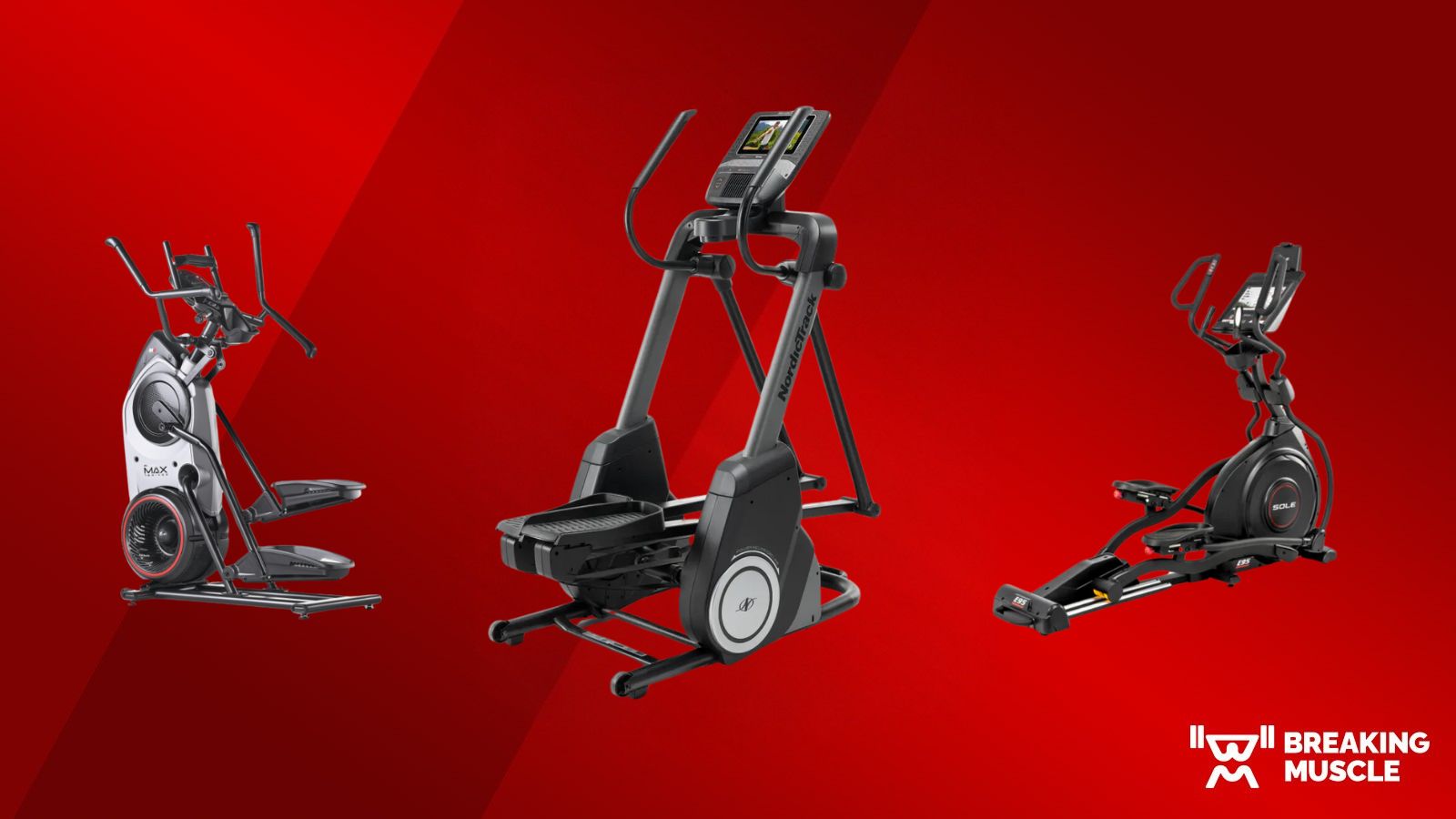
Elliptical machines deliver a low-impact cardio workout that engages both upper and lower body muscles simultaneously, making them a practical option for home fitness routines. Unlike running or jumping activities that stress joints with repeated impact forces, ellipticals allow users to maintain cardiovascular intensity while protecting knees, hips, ankles, and lower back from repetitive strain injuries.
The design mechanics of modern ellipticals create a smooth, gliding motion that mimics natural movement patterns without the pounding impact of ground-based cardio. This feature matters for people managing joint concerns, recovering from injury, or simply seeking sustainable long-term training options. The American College of Sports Medicine recognizes low-impact cardio as effective for building aerobic capacity while reducing musculoskeletal stress, particularly for older adults and those with pre-existing joint conditions.
Recent elliptical machines have evolved significantly from earlier models. Newer technology incorporates improved stride mechanics, adjustable resistance levels, and customizable incline angles to target different muscle groups more effectively. These ergonomic refinements allow users to engage their glutes, hamstrings, and quadriceps during the driving phase while activating shoulders, chest, and arms through the handlebar component. This dual-action approach burns calories across multiple muscle groups in a single session.
The full-body engagement pattern distinguishes ellipticals from stationary bikes, which primarily target lower body musculature. Studies published in the Journal of Sports Medicine demonstrate that elliptical workouts elevate heart rate and oxygen consumption comparably to treadmill running at equivalent intensity levels, yet without the joint trauma. Users can maintain higher workout frequency without requiring extended recovery periods between sessions.
For home fitness specifically, ellipticals offer several advantages over gym-based alternatives. They require minimal space compared to treadmills, operate at reasonable noise levels for apartment living, and provide an entertainment-friendly platform for watching content during steady-state cardio sessions. The adjustable resistance allows beginners to start conservatively and progressively increase intensity as cardiovascular fitness improves.
Interval training protocols work well on ellipticals. Users can alternate between high-intensity bursts lasting 30-60 seconds and recovery periods at lower resistance, triggering the afterburn effect that extends calorie expenditure beyond the workout window. This training approach delivers cardiovascular benefits comparable to high-intensity interval training without the landing impact forces.
The structural integrity of joints remains paramount for long-term training adherence. Cartilage doesn't regenerate quickly, and cumulative impact damage builds over months and years. By choosing low-impact equipment like quality ellipticals, users reduce injury risk while building consistent aerobic capacity. This approach supports sustainable fitness habits rather than boom-and-bust cycles driven by overuse injuries.
Modern ellipticals come equipped with digital displays tracking heart rate, calories burned, distance covered, and workout duration. Some premium models integrate with fitness apps and wearable devices, allowing users to monitor performance trends and adjust training variables based on real-time data. This technological integration appeals to data-driven athletes seeking objective progress metrics.
Selecting an appropriate elliptical requires attention to stride length, resistance range, build quality, and user weight capacity. Machines with longer strides (18-20 inches) suit taller users better, while adjustable features accommodate diverse fitness levels within a single household. Investing in a sturdy, well-built model ensures longevity and consistent performance during intense cardio sessions.