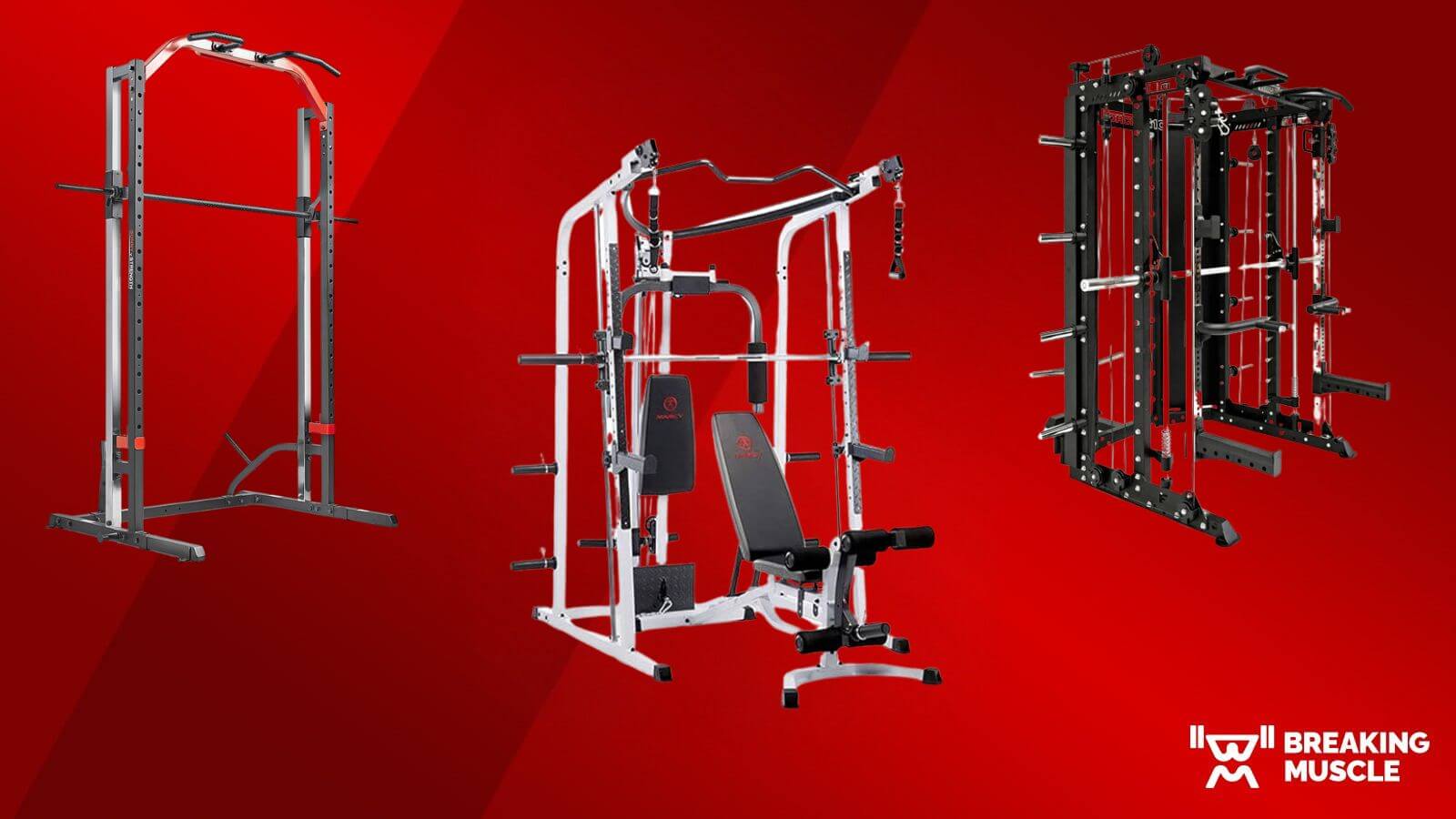
Smith machines have moved beyond commercial gyms into home training spaces. These fixed-rail barbell stations offer controlled movement patterns, making them valuable for strength training across all experience levels.
The Smith machine's design locks the barbell to a vertical or slightly angled rail system. This constraint reduces stabilizer muscle recruitment compared to free weights, but beginners and returning lifters benefit from the built-in safety. The machine handles compound movements like squats, bench presses, and rows effectively. Users can load progressively without external spotters. The fixed path also reduces learning curves for proper form.
Home gym versions now come in multiple configurations. Compact models fit apartment spaces and basements. Full-size units match commercial equipment. Most feature adjustable safety catches, multiple grip positions, and compatibility with standard weight plates. Attachment options like cable crossovers and leg press extensions expand exercise variety.
Research supports Smith machine training for hypertrophy and strength gains. Studies show reduced rotational stability requirements compared to barbell work, which some lifters view as a limitation. However, this characteristic makes Smith machines practical for isolated muscle development and rehabilitation scenarios. Lifters returning from injury often use Smith machines during early training phases because the machine absorbs minor form deviations.
When selecting a home Smith machine, prioritize build quality and frame stability. Commercial-grade steel construction withstands repeated loading. Check weight capacity ratings, which typically range from 300 to 700 pounds depending on model. Verify safety mechanisms function properly before each session. Quality hinges and catches prevent accidents.
Smith machines complement free weight training rather than replace it. Many athletes use them for supplemental work after barbell compounds. The controlled environment suits higher rep ranges, drop sets, and fatigue-based training methods.
Home Smith machines represent significant investments, typically ranging from 800 to 3,500 dollars depending on features and construction. This cost