# The 12-3-30 Workout: What Science Says About This Viral Treadmill Method for Runners
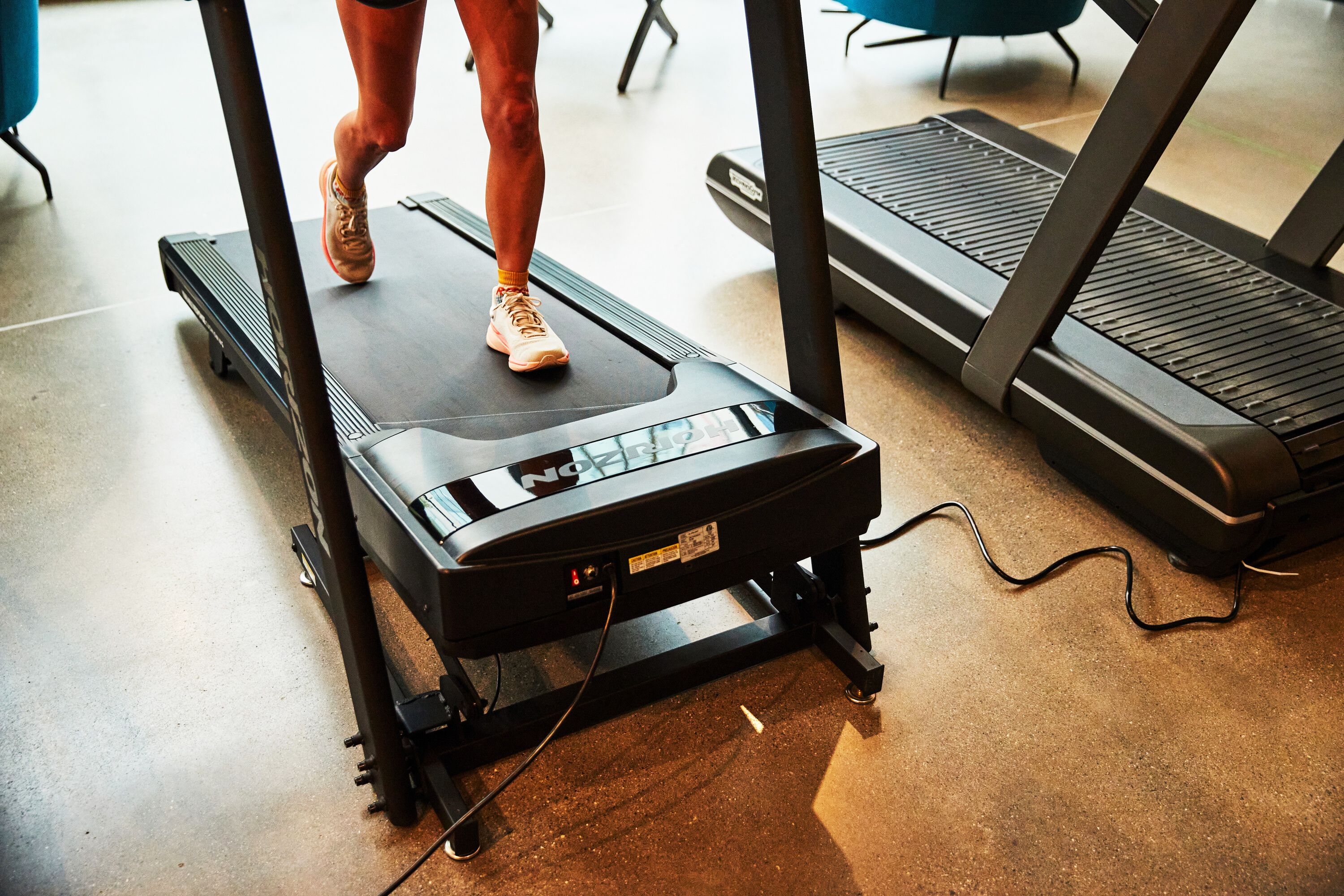
The 12-3-30 treadmill workout exploded across TikTok and Instagram after fitness influencer Lauren Giraldo posted about her regimen in 2022. The formula is simple: set the treadmill to a 12% incline, 3 miles per hour speed, and walk for 30 minutes. Giraldo credited the routine with helping her lose 30 pounds and transform her fitness level. Runner's World investigated whether this viral method actually works for runners and endurance athletes.
The appeal of 12-3-30 lies in its accessibility. The slow pace (3 mph is brisk walking territory) means almost anyone can sustain it for half an hour without needing advanced fitness credentials. The steep incline compensates for the slow speed by ramping up calorie burn and engaging major muscle groups like glutes, hamstrings, and hip extensors. Research on incline training shows that even modest grade increases significantly boost energy expenditure compared to flat-ground walking.
Trainers interviewed by Runner's World emphasize that 12-3-30 functions as a low-impact, high-volume endurance session rather than a speed or strength workout. The consistent elevation and duration create a metabolic demand that builds aerobic fitness and muscular endurance without pounding joints. For casual fitness enthusiasts and people returning to exercise, this represents a legitimate tool.
The catch emerges when considering runners specifically. True runners train across multiple intensity zones: easy runs, tempo efforts, interval work, and long runs at varied paces. A single steady 30-minute incline walk provides only one stimulus. Runners chasing speed development or race-specific preparation need varied workouts that challenge different energy systems. The 12-3-30 approach omits sprints, tempo work, and the faster-paced aerobic running that competitive runners require.
The incline also creates a movement pattern distinct from running. Walking on a steep grade emphasizes hip extension and glute activation while reducing the demands on the hip flexors and lower leg muscles that running demands. Runners who use 12-3-30 exclusively risk developing strength imbalances and missing neuromuscular adaptations specific to running mechanics.
Trainers quoted in Runner's World suggested 12-3-30 works best as a supplementary workout or active recovery session rather than a replacement for running. One trainer noted it pairs well with strength training, since the incline work already taxes muscles while keeping impact low. Another pointed out that people completely new to exercise benefit most from this entry point before progressing to actual running.
The workout's viral success reflects something real: it delivers results for weight loss and basic fitness improvement. The sustained elevation creates enough metabolic stress to drive adaptation in sedentary or lightly active people. For that population, 12-3-30 beats no exercise.
Runner's World's reporting suggests fitness goals determine whether 12-3-30 belongs in your training plan. General fitness and weight management? The viral method works. Improving as a runner? It functions better as supplemental work rather than a primary training stimulus.