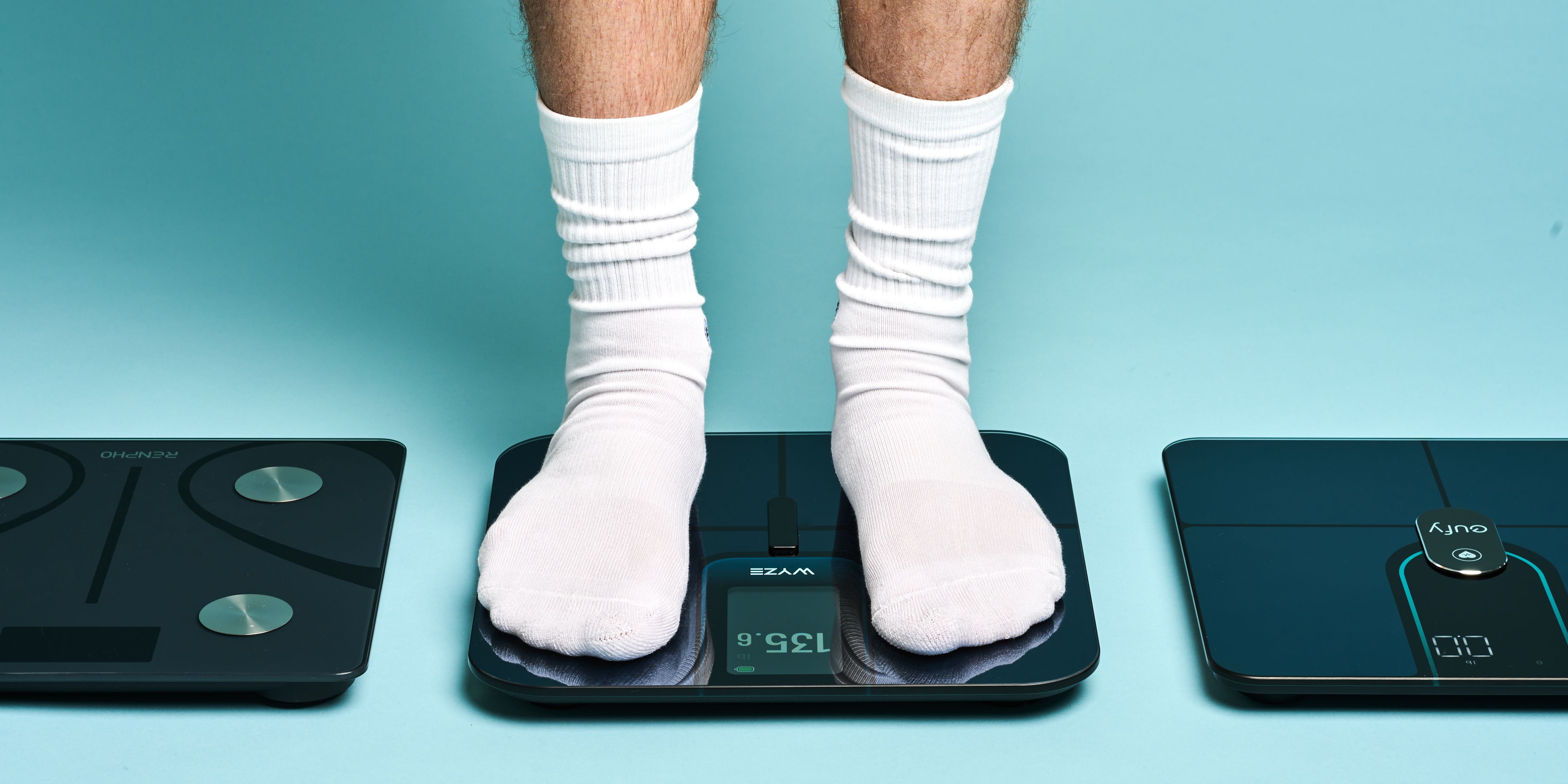
Smart scales have become standard tools for tracking body composition and progress beyond simple weight numbers. The best models measure weight, body fat percentage, muscle mass, bone density, and water weight, then sync data to smartphone apps for trend analysis over time.
Top performers in this category include the Withings Body+, which offers clinically validated measurements and integrates with Apple Health and Google Fit. The RENPHO Elis Smart Scale delivers accurate readings at a fraction of the cost, making it accessible for budget-conscious fitness enthusiasts. The Eufy Smart Scale C1 provides comprehensive metrics without requiring a subscription model.
For serious athletes, the SECA mBCA 525 uses bioelectrical impedance analysis for hospital-grade accuracy. The Fitbit Aria Air connects seamlessly to Fitbit's ecosystem if you're already using their wearables. The Garmin Index S2 appeals to users invested in Garmin's training platform.
The science backs regular body composition tracking. Research shows that monitoring muscle mass helps distinguish between fat loss and muscle loss during training cycles. This matters because the scale alone cannot differentiate between these changes. Athletes cutting weight or bulking need this breakdown to assess whether their training and nutrition actually support their goals.
Most smart scales use bioelectrical impedance analysis, which sends a harmless electrical signal through the body to estimate composition. Accuracy improves when users maintain consistent hydration levels and measure at the same time daily. Results vary based on sweat, sodium intake, and hydration status.
The best choice depends on your existing fitness ecosystem. If you use Apple Health, Withings scales integrate cleanly. Fitbit users benefit from Aria Air's direct connection. Those prioritizing accuracy over integration should consider the SECA mBCA 525, though it costs significantly more.
Smart scales work best as one data point among several. Pair