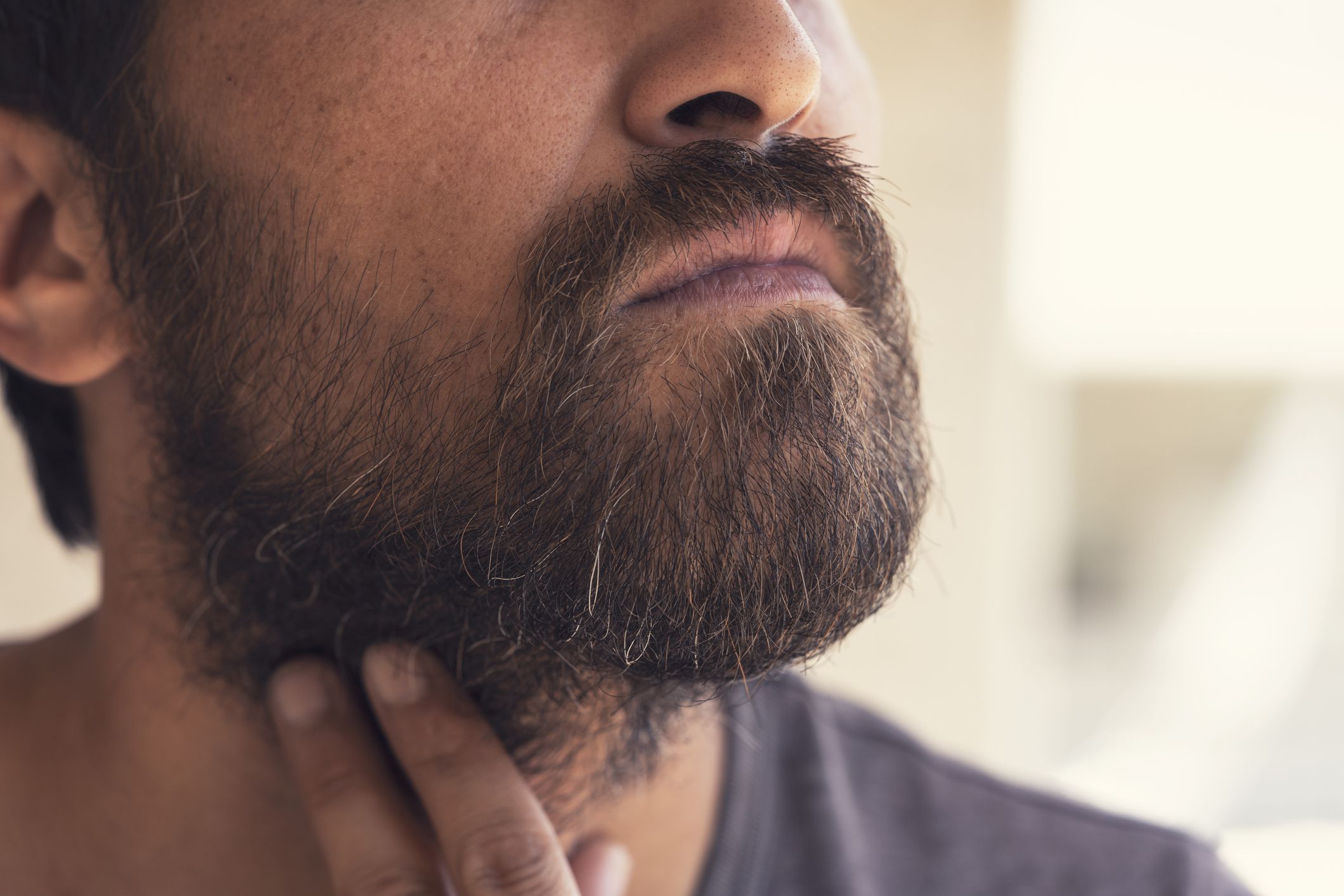
Beard dandruff affects men more often than scalp dandruff alone, yet many don't recognize the condition or know how to treat it. The flaking occurs when dead skin cells accumulate in facial hair, often triggered by dry skin, poor hygiene, or fungal overgrowth.
Dermatologists recommend a multi-step approach. First, wash your beard daily with a gentle cleanser rather than regular shampoo, which strips natural oils. A beard-specific wash or sulfate-free option works best. Second, apply a beard oil or balm after washing while hair is still slightly damp. This locks in moisture and prevents the itching and flaking that leads to visible dandruff.
For stubborn cases, medicated treatments help. Ketoconazole shampoos target the yeast that often causes beard dandruff, while salicylic acid products remove built-up dead skin. Use these two to three times weekly rather than daily to avoid over-drying the area. Some dermatologists suggest rotating between treatments to prevent your skin from adapting to one product.
Environmental factors matter too. Winter heating and dry climates worsen beard dandruff, so consider using a humidifier in your bedroom. Avoid touching or scratching your beard constantly, as this irritates skin and increases flaking.
If over-the-counter treatments fail after four weeks, see a dermatologist. Persistent beard dandruff sometimes signals seborrheic dermatitis, a condition requiring prescription-strength antifungal creams or oral medications. A professional can distinguish between simple dry skin and a fungal infection, ensuring you get the right treatment.
Regular maintenance prevents recurrence. Continue using beard oil daily, wash with appropriate products, and exfoliate gently once weekly with a soft beard brush. These habits keep your beard healthy and flake-free