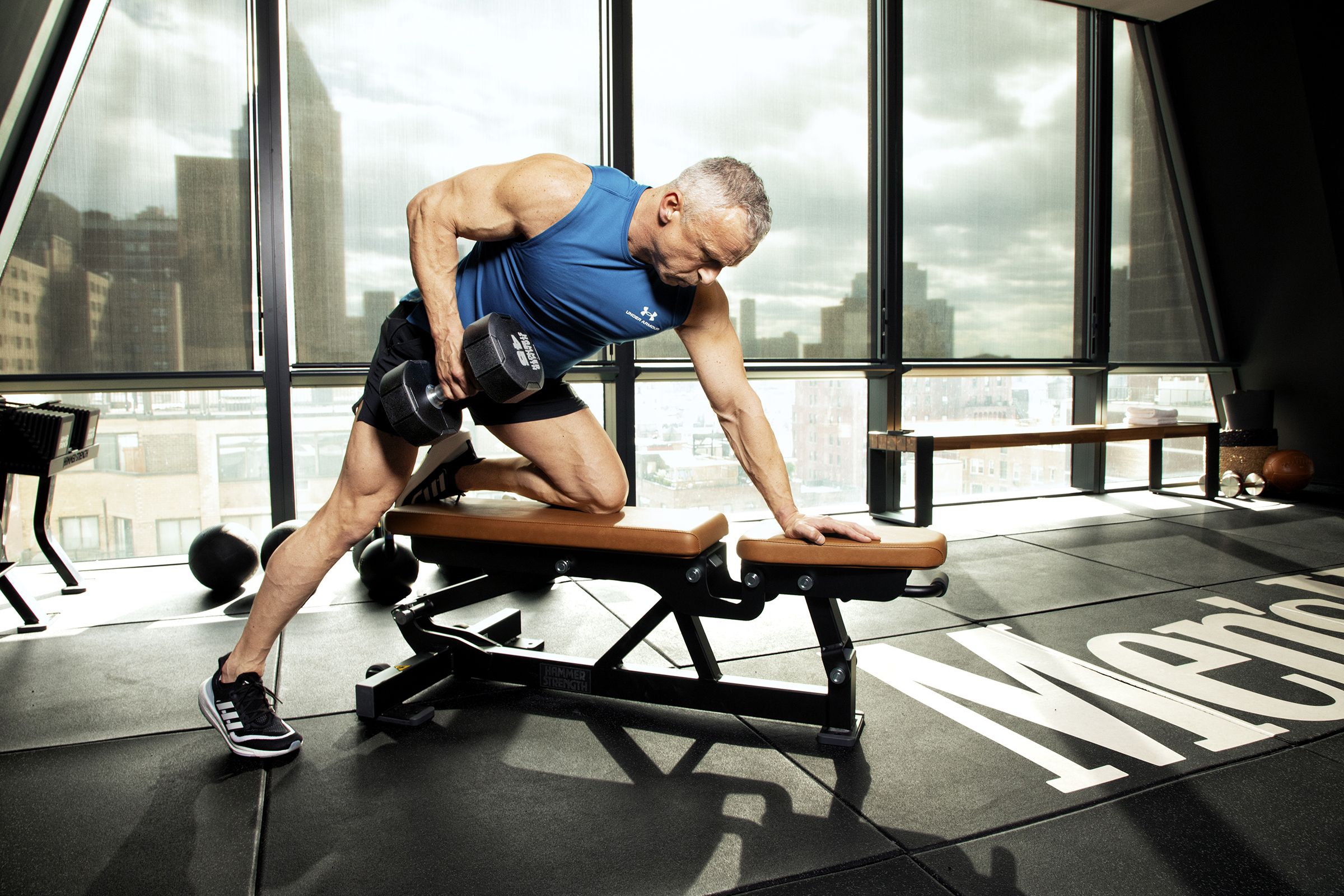
Building muscle after 50 requires a different approach than training in your 20s, but the gains remain achievable. Research consistently shows that older adults respond to progressive resistance training with significant strength and muscle growth, though recovery demands attention and programming shifts matter.
Three core strategies separate successful muscle builders from those who plateau after 50.
**Progressive overload stays non-negotiable.** Gradually increasing weight, reps, or sets forces muscles to adapt. A 2019 study in Sports Medicine found that adults over 50 gained lean mass at rates comparable to younger lifters when they systematically increased training stimulus. The key difference: progression happens slower. Adding 2.5 to 5 pounds weekly works better than 10-pound jumps.
**Prioritize compound movements.** Squats, deadlifts, chest presses, and rows recruit multiple muscle groups and trigger greater hormonal response. Research from the Journal of Applied Physiology shows compound exercises activate more motor units in older adults, translating to better muscle recruitment across the body. These lifts also preserve functional strength for daily activities like climbing stairs or lifting groceries.
**Recovery becomes the limiting factor.** Adults over 50 need longer rest between sessions. Two to three days per muscle group beats daily training. Sleep quality matters more than volume. A study in Cell Reports found that adults 60+ with poor sleep lost 26 percent more muscle during a resistance program despite identical training loads. Prioritize 7 to 9 hours nightly.
Protein intake also shifts upward. Research suggests older adults require 1.0 to 1.2 grams per kilogram of bodyweight daily (versus 0.8 for younger adults) to maximize muscle protein synthesis. Distribute protein evenly across meals rather than frontloading dinner.
The mental framework matters too. Expect six to eight