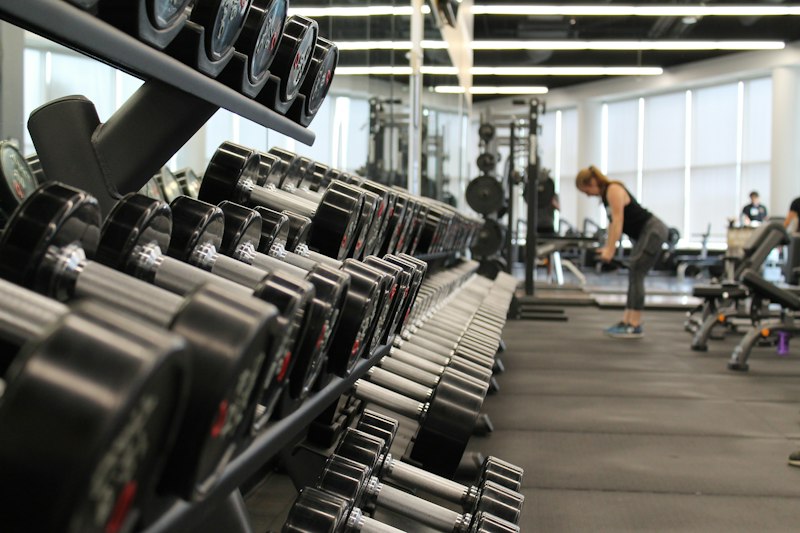
Walk through any commercial gym in 2025, and you'll notice something quietly radical happening: people are lifting heavy things, repeatedly, without elaborate programming gimmicks or viral hashtags. They're doing leg day. They're doing it consistently. They're getting stronger.
Most coverage treats this shift as a pleasant nostalgia kick, a natural pendulum swing away from metabolic conditioning and functional fitness fads. A return to basics. Comforting stuff. But this isn't nostalgia. It's a signal that the fitness industry's experiment with democratizing strength training through abbreviation and optimization has reached its limits, and what comes next will require the industry to reckon with what it got wrong about how people actually get strong.
For nearly a decade, the dominant narrative in mainstream fitness has been compression. Thirty-minute full-body workouts. Metabolic finishers. Time-under-tension shortcuts. The implicit promise: real results without the commitment that previous generations demanded. Strength training, this thinking went, had been gatekept by obsessives and meatheads. We'd make it efficient. We'd make it accessible. We'd strip away the philosophy and leave only the mechanics.
The problem wasn't the efficiency angle itself. Some people genuinely benefit from time-efficient programming. But the industry mistook "more accessible" for "the same results in less time," and sold that confusion hard.
What's happening now is a quiet correction. People are discovering that leg day isn't just a social media content opportunity. It's a methodology that works. The same goes for dedicated upper-body sessions, for periodization, for progressive overload tracked across months rather than weeks. These aren't new insights. They're boring precisely because they've been proven across decades.
The signal here goes beyond training splits. It's that the fitness consumer is growing skeptical of the optimization narrative itself. They're tired of being told that every workout needs to achieve three competing goals simultaneously. They're recognizing that strength, unlike a TikTok trend, doesn't scale to shorter timelines just because the algorithm demands novelty.
This matters for the industry because it suggests that the next era of strength training content and programming won't be won by whoever promises faster results. It will be won by whoever can make the long, unglamorous process of getting stronger feel like it matters again.
Notice the recent emphasis on programs designed to prevent burnout, on detailed breakdowns of how serious lifters actually structure their weeks, on athletes who've committed to systematic training for years. These aren't aberrations. They're the market correcting itself toward what actually works.
The Enhanced Games deadlift showdown gets attention partly because it's spectacle, yes. But it also resonates because it represents an almost alien commitment to a single skill, developed across years, with no pretense of efficiency theater. That specificity feels transgressive in a culture that's spent a decade trying to compress strength into pre-packaged convenience.
Here's what concerns me: the fitness industry loves a pendulum. It will overcorrect. We'll see a wave of content that romanticizes suffering, that treats three-hour training sessions as virtue, that prices out the very people efficiency was supposed to help. The lesson won't be "boring works," but rather "suffering is authentic," and that's a different, more dangerous message.
The real insight is simpler. Getting stronger takes time. It takes focus. It takes doing the same things repeatedly, measuring progress in small increments, and believing that compounding effort matters. That's not boring. That's precision. The industry's job now is to present that reality without either overselling it or romanticizing it into something it's not.
The comeback of straightforward strength training isn't a nostalgia play. It's a demand for honesty about what strength actually requires.